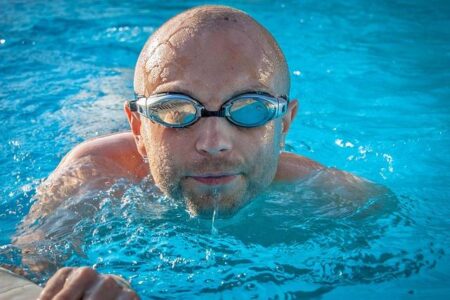


As the summer swimming season kicks off, pediatricians are raising urgent warnings about water safety to prevent accidents and drownings among children. With warm weather drawing families to pools, lakes, and beaches, experts emphasize the importance of vigilant supervision, proper swimming skills, and the use of life jackets. WBAY reports on the latest recommendations from medical professionals aiming to keep young swimmers safe this summer.
Pediatricians Highlight Rising Drowning Risks Among Children During Summer Months
With warmer weather ushering in an influx of outdoor water activities, healthcare professionals are stressing the importance of rigorous water safety measures to prevent tragic accidents. Pediatricians report a significant uptick in near-drowning incidents particularly among children under the age of five, citing diminished supervision and overconfidence as key factors. They emphasize that even seemingly shallow water can pose a deadly risk, urging families to remain vigilant and implement basic precautions around pools, lakes, and beaches.
Experts recommend the following essential safety tips to reduce drowning risks this season:
- Constant, undistracted adult supervision: Never leave children unattended near water.
- Learn CPR: Quick response can save lives in an emergency.
- Use approved flotation devices: Life jackets are critical for young or inexperienced swimmers.
- Establish water rules: Teach children to avoid running or roughhousing near pools.
- Secure pools when not in use: Fencing and locked gates can prevent unsupervised access.
| Age Group | Risk Level | Most Common Locations |
|---|---|---|
| 0-4 years | High | Home pools, bathtubs |
| 5-9 years | Moderate | Public pools, lakes |
| 10-14 years | Low | Beaches, community pools |
Experts Share Essential Water Safety Tips for Parents and Caregivers
As the temperature rises and families flock to pools, lakes, and beaches, pediatricians emphasize the critical importance of vigilant supervision. Experts recommend that parents and caregivers always maintain constant, undistracted eyes on children near any body of water, regardless of swimming ability. Proper barriers such as pool fences with self-latching gates can prevent accidental drownings, while life jackets should be worn consistently by young swimmers or non-swimmers. Additionally, learning basic CPR can be a lifesaving skill, providing immediate assistance in emergencies when every second counts.
To further minimize risks, it’s advised that adults educate children about water hazards and swimming limitations early on. Creating and enforcing clear water safety rules-like no running near the pool, swimming only with a buddy, and avoiding horseplay in the water-can reduce accidents. The following table outlines key safety practices recommended by pediatric water safety specialists:
| Safety Measure | Description | Recommended for |
|---|---|---|
| Active Supervision | Uninterrupted monitoring without distractions | Parents, Caregivers |
| Pool Barriers | Fences, covers, and gates to restrict access | Home Pools |
| Life Jackets | Properly fitted personal flotation devices | Non-Swimmers & Toddlers |
| CPR Training | Emergency response skill for caregivers | All Adults |
| Water Rules | Clear behavioral guidelines for children | Families |
Local Authorities Call for Increased Supervision and Use of Life Jackets at Community Pools
In an effort to enhance safety measures at local community pools, officials have reiterated the importance of vigilant adult supervision and the mandatory use of life jackets, especially among young swimmers. Authorities emphasize that constant monitoring by trained lifeguards and caregivers can drastically reduce the risk of drowning incidents during the high-traffic summer months. They also advocate for clear, visible signage reminding pool visitors about water safety protocols and the proper use of flotation devices to protect children and non-swimmers alike.
Key recommendations from local safety officials include:
- Ensuring children are within arm’s reach when in the water
- Requiring life jackets for children under 12 or those who cannot swim confidently
- Conducting regular safety drills and equipment checks at pool facilities
- Encouraging parents to enroll their kids in swimming lessons prior to pool visits
| Safety Measure | Benefit |
|---|---|
| Life Jacket Usage | Prevents drowning for weak swimmers |
| Active Supervision | Immediate response to emergencies |
| Clear Signage | Informs and reminds pool visitors |
Final Thoughts
As families prepare to dive into summer swimming activities, pediatricians’ reminders about water safety serve as a timely and crucial call to action. By staying vigilant and following recommended precautions, parents and caregivers can help ensure that children enjoy the season safely. WBAY will continue to provide updates and resources to support water safety awareness throughout the summer months.