

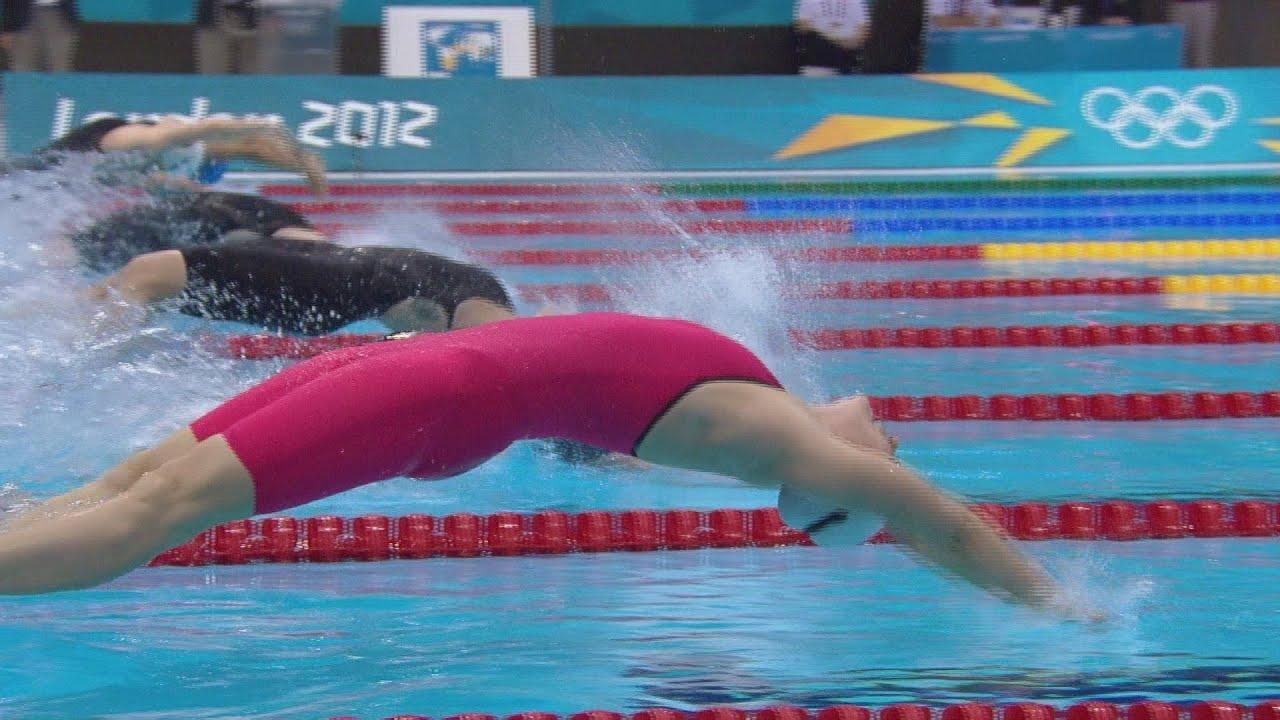
Olympic Backstroke Swimming: The Deep-Elbow Catch Technique Revolutionizing Performance
As the Olympic Games approach, athletes around the world are fine-tuning their techniques to gain a competitive edge. Amongst these, the backstroke has seen a significant evolution in recent years, with the introduction of the deep-elbow catch technique transforming how swimmers approach this demanding event. This innovative method emphasizes an enhanced underwater arm position that not onyl improves propulsion but also minimizes the risk of injury, making it a focal point of training regimens for elite competitors. As coaches and athletes dissect the intricacies of this technique,the swimming community is abuzz with anticipation—will the deep-elbow catch be the game-changer that redefines success in Olympic backstroke swimming? In this article,we explore the mechanics behind this revolutionary approach,its advantages,and insights from top swimmers and trainers who are leading the charge into this new era of competitive backstroke.
Mastering the deep-Elbow Catch Technique in Olympic Backstroke Swimming
In olympic backstroke swimming, the deep-elbow catch technique serves as a game-changer, allowing swimmers to maximize their propulsion while efficiently utilizing their body mechanics.This technique primarily involves achieving a high elbow position during the initial phase of the underwater pull, enabling the swimmer to engage their lats and core effectively. To master this technique, athletes should focus on several key elements:
- Body Rotation: Maintaining a steady body roll enhances reach and allows for better alignment.
- Hand Entry: A narrow entry point into the water ensures that the swimmer’s hand is positioned correctly for the catch.
- Elbow Position: keeping the elbow elevated creates an optimal angle for power generation.
Drilling these elements in practice not only helps in elevating stroke efficiency but also contributes to a reduced drag coefficient in the water. Within a competitive habitat, understanding the nuances of the arm pull can lead to significant time improvements. To provide clarity on the impact of a deep-elbow catch versus other techniques, consider the following comparison:
| Technique | Propulsion Level | Efficiency | Common Mistakes |
|---|---|---|---|
| Deep-Elbow Catch | High | Very Efficient | Overreaching, poor elbow height |
| Standard Catch | Medium | Moderately Efficient | Flat elbow, improper angle |
Understanding the Physics Behind Effective Backstroke Swimming
The deep-elbow catch is a critical technique in backstroke swimming that not only enhances propulsion but also aids in energy conservation. This technique utilizes the principles of fluid dynamics to create an optimal angle of attack against the water. When swimmers position their elbows deep in the catch phase, they maintain a high-elbow posture, which facilitates a more effective grip on the water. This action minimizes drag and allows the swimmer to leverage the natural buoyancy of their body, leading to improved stroke efficiency.Key factors influencing this technique include:
- Body Position: Maintaining a streamlined posture minimizes resistance.
- Arm Entry: A smooth, controlled entry reduces splashing and turbulence.
- Force Application: Efficient use of the forearm and hand maximizes pull force.
The physics behind this technique can be better understood by examining the force vectors acting on the swimmer’s hands and arms during the stroke. By applying a downward force with the palms while keeping the elbows elevated, swimmers can create lift and forward momentum, similar to an airplane wing generating lift. This can be illustrated in the following table that summarizes the key forces at play:
| Force Type | Description |
|---|---|
| lift Force | Generated by the angled position of the forearms. |
| Drag Force | Resistance encountered as the body moves through the water. |
| Thrust Force | Forward movement generated through effective catch technique. |
Expert recommendations for Enhancing Backstroke Performance through Technique
To achieve optimal performance in backstroke swimming, athletes must focus on a technique that maximizes propulsion while minimizing drag. Utilizing a deep-elbow catch is pivotal, as it allows swimmers to engage more surface area of the water, thereby enhancing their pull. This technique not only improves forward momentum but also fosters a more streamlined position in the water. Experts advise swimmers to practice drills that emphasize this catch position, ensuring that the elbow is positioned higher then the hand, effectively creating a powerful anchor with each stroke.
Incorporating targeted strength training and adaptability exercises can further refine the execution of the deep-elbow catch. Swimmers should consider the following recommendations to boost their overall performance:
- Drill Work: Regularly practice with resistance tools like paddles and bands to strengthen the pulling muscles.
- Video Analysis: Utilize underwater filming to analyze stroke mechanics and make necessary adjustments.
- core Stability: Engage in core workouts to maintain a balanced and aligned body position, essential for effective strokes.
- Breathing Technique: Focus on bilateral breathing to keep the body symmetrical and to maintain a consistent stroke rhythm.
| Technique Aspect | Recommended Focus |
|---|---|
| Deep-Elbow Position | Elevate the elbow during the catch phase. |
| Body Rotation | Ensure proper hip rotation to aid stroke efficiency. |
| Hand Entry | Maintain a relaxed hand entry to reduce drag. |
Key Takeaways
As we delve into the intricacies of Olympic backstroke swimming, the deep-elbow catch emerges as a crucial technique that can elevate a swimmer’s performance to the next level. By mastering this skill, athletes not only enhance their propulsion through the water but also improve their overall efficiency, making it a vital component of competitive swimming strategies. As the Tokyo Olympics approach, the spotlight will undoubtedly shine on both seasoned veterans and rising stars who have embraced this technique in their training regimens. As fans and experts alike eagerly anticipate the races, one thing is clear: those who perfect the deep-elbow catch will be the ones to watch as they navigate the pool towards olympic glory. With the convergence of technique, strength, and precision, the world of backstroke swimming promises to deliver thrilling performances that could define the next generation of champions.