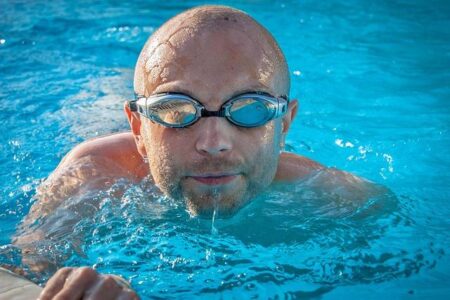
Swimming enthusiasts and competitive athletes alike understand the critical role that underwater kicking plays in enhancing speed, efficiency, and overall performance in the pool. As swimmers strive to shave precious seconds off their times, mastering underwater kicking techniques has become a focal point of training regimens worldwide. In this article, we explore six essential underwater kicking drills that every swimmer should incorporate into their routine to improve propulsion, streamline body position, and gain a competitive edge. Whether you’re a beginner aiming to build a strong foundation or an elite swimmer seeking refinement, these drills offer practical guidance to take your underwater skills to the next level.
Key Benefits of Underwater Kicking for Competitive Swimming
Enhanced Speed and Efficiency: Mastering underwater kicking allows swimmers to maximize propulsion off the wall, effectively cutting down overall lap times. The streamlined body position beneath the surface reduces drag, enabling athletes to cover more distance with less energy expenditure. This technique is a game-changer in short sprints and competitive races where every millisecond counts.
Improved Breath Control and Core Strength: Engaging in consistent underwater kicking develops superior lung capacity and breath-hold ability. Competitors train their diaphragms and core muscles to maintain powerful kicks through extended submersion, which translates to improved endurance in the pool. Additionally, controlled breathing reduces anxiety and increases mental focus during race starts and turns.
| Benefit | Performance Impact |
|---|---|
| Streamlined Body Position | Reduced water resistance |
| Powerful Dolphin Kicks | Increased propulsion off walls |
| Enhanced Breath Control | Longer efficient underwater phases |
| Core Strength | Better body stability and form |
Techniques to Perfect Streamline Position and Maximize Efficiency
Mastering the perfect streamline position underwater is crucial for reducing drag and conserving energy during kicks. Achieving this position requires aligning the head, spine, and legs in one continuous, taut line. Swimmers should focus on keeping their chin tucked slightly, ears snug against the upper arms, and hands locked together tightly with fingers overlapping. Engaging the core muscles helps maintain a rigid torso, preventing unnecessary movement that breaks streamline. Additionally, awareness of subtle adjustments, such as pressing the shoulders down and extending through the fingertips, significantly enhances hydrodynamics.
Maximizing efficiency underwater also means optimizing the body’s balance and propulsion. Implementing regular drills that emphasize controlled kicks while maintaining the streamline can help internalize these mechanics. To visualize the essentials, consider the following quick reference:
| Aspect | Key Focus | Benefit |
|---|---|---|
| Head Position | Chin tucked, eyes forward | Minimizes cervical drag |
| Arm Placement | Hands overlapped, arms tight | Streamlines frontal profile |
| Core Engagement | Contracted abs and glutes | Maintains rigid body line |
| Leg Alignment | Extended and straight | Reduces drag, improves kick power |
Essential Drill Variations to Build Power and Endurance Underwater
Mastering a variety of kicking drills is crucial for swimmers aiming to enhance both their underwater power and endurance. Incorporating flutter kick variations such as dolphin kicks with fins or ankle weights can significantly boost muscle engagement and simulate race conditions, improving thrust and reducing drag. Swimmers should also explore vertical kicking drills, which promote core stability and leg strength by requiring them to maintain vertical buoyancy while kicking without using their arms. These exercises target fast-twitch muscle fibers, vital for explosive starts and turns.
Another effective variation is the resisted underwater kick, where swimmers use tools like resistance parachutes or drag socks to increase water resistance, cultivating stamina and enabling longer, stronger underwater phases. Likewise, switch kick drills-alternating between flutter and dolphin kicks within one set-not only train flexibility but also condition endurance under varied muscular loads. Below is a quick reference table summarizing drill focus areas and targeted benefits:
| Drill Variation | Primary Focus | Key Benefit |
|---|---|---|
| Dolphin Kicks with Fins | Power | Enhanced thrust and speed |
| Vertical Kicking | Core Strength | Improved stability and endurance |
| Resisted Kicking | Endurance | Increased stamina underwater |
| Switch Kick Drill | Flexibility & Endurance | Muscle conditioning under varied effort |
Key Takeaways
Mastering these six underwater kicking drills can significantly enhance a swimmer’s speed, efficiency, and overall performance in the water. Whether training for competition or aiming to improve technique, incorporating these exercises into regular practice offers measurable benefits. As swimmers continue to refine their underwater skills, they not only gain a competitive edge but also deepen their understanding of the vital role underwater kicking plays in modern swim training. Staying consistent with these drills is key, underscoring the importance of dedication and technique in reaching new depths in the sport.