

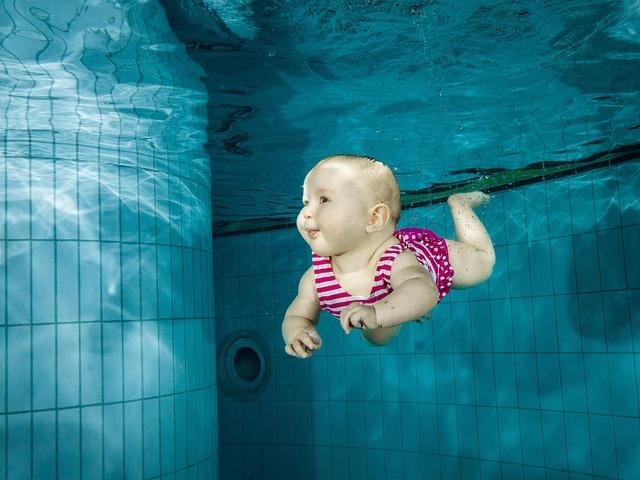
As water-related accidents remain a leading cause of accidental injury and death among young children, parents and caregivers are increasingly turning to infant survival swimming lessons as a critical component of their water-safety strategies. These specialized classes teach babies essential skills to help prevent drowning and increase their chances of self-rescue in aquatic environments. In this article, we explore the growing trend of survival swimming for infants, examine expert recommendations, and offer guidance on integrating these lessons into a comprehensive water-safety plan for families.
The Critical Role of Infant Survival Swimming Lessons in Preventing Drownings
Infant survival swimming lessons are rapidly gaining recognition as a vital component in reducing the risk of drowning-a leading cause of accidental death among young children worldwide. These lessons equip infants with essential skills, such as floating on their backs and controlled breathing, that can make the difference between life and tragedy during unintentional water immersion. Beyond physical skills, the training also fosters early water familiarity and builds confidence in young swimmers, creating a critical foundation for long-term aquatic safety.
Integrating infant swimming lessons into a comprehensive water-safety strategy emphasizes the partnership between proactive education and vigilant adult supervision. The effectiveness of these programs lies not only in skill development but in reinforcing habits and awareness among caregivers. Below is a swift overview highlighting key advantages:
- Early reflex development: Infants learn inherent survival movements.
- Parental education: Lessons often include safety briefings for adults.
- Reduced panic: Familiarity with water decreases the risk of drowning episodes.
- Community impact: Widespread adoption helps lower local drowning statistics.
| Age Group | Key Skill Focus | Approximate Lesson Duration |
|---|---|---|
| 6-12 Months | Water acclimation, floating | 15-20 minutes |
| 12-24 Months | Breath control, rolling to surface | 20-30 minutes |
| 24-36 Months | Basic swimming motions | 30-40 minutes |
Integrating Survival Swimming into a Comprehensive Water-Safety Strategy
Incorporating infant survival swimming into your broader water-safety plan enhances protection by providing young children with essential motor skills and water awareness from an early age. These lessons teach infants to instinctively hold their breath and propel themselves to safety, acting as a critical first line of defense in accidental submersion incidents. However, survival swimming shouldn’t be seen as a standalone solution; it must be combined with constant supervision, physical barriers, and emergency preparedness to create a truly resilient safety framework.
For parents and caregivers, a holistic approach might include:
- Active supervision: Maintaining undivided attention when infants are near any water source.
- Security barriers: Installing pool fences, covers, and alarms.
- CPR training: Ensuring adults know lifesaving techniques for infants and toddlers.
- Scheduled lessons: Regular infant swimming sessions led by certified instructors specialized in survival skills.
| Component | Role in Water Safety | Recommended Frequency |
|---|---|---|
| Survival Swimming Lessons | Build infant water confidence and reflexes | Weekly |
| Active Supervision | Immediate hazard prevention | Constant |
| Pool Safety Barriers | Physical water access restriction | Always in place |
| Adult CPR Training | Emergency response readiness | Every 2 years |
Expert Tips for Parents on Choosing and Implementing Infant Swim Programs
When selecting the right infant swim program, parents should prioritize certified instructors who specialize in early childhood aquatic education. Programs that emphasize survival skills, such as floating, breath control, and safe exits, tend to be more effective in building confidence and reducing panic. Look for classes that keep group sizes small to ensure personalized attention and provide a clear curriculum outlining progress milestones. Additionally, ask about the water temperature and facility cleanliness to ensure a comfortable and hygienic environment for your infant.
Integrating swim lessons into your overall water-safety plan involves consistency and realistic expectations. Establish a routine not only for lessons but also for reinforced supervision practices at home and near bodies of water. Here’s a quick checklist to help parents maintain safety alongside swim training:
- Always supervise infants near water, regardless of skill level
- Use approved flotation devices but don’t rely solely on them
- Learn CPR and basic first aid specific to infants
- Create a safety zone around pools with barriers and alarms
- Communicate water rules with caregivers and older siblings
| Program Feature | Benefits | Parental Role |
|---|---|---|
| Small Group Classes | Individualized attention, better engagement | Ensure child readiness and comfort |
| Progress Tracking | Monitors skills development effectively | Review milestones with instructors |
| Water Safety Education | Builds awareness beyond swimming | Reinforce rules at home and pools |
Wrapping Up
As the prevalence of infant survival swimming lessons continues to rise, integrating these skills into a comprehensive water-safety plan is becoming increasingly vital for parents and caregivers. While no lesson can replace vigilant supervision, early aquatic education offers a significant layer of protection, equipping even the youngest swimmers with critical survival abilities. With drowning remaining a leading cause of accidental death among infants and toddlers, experts urge families to consider survival swimming as part of their overall approach to water safety. Staying informed, prepared, and proactive remains the key to safeguarding children around water.