

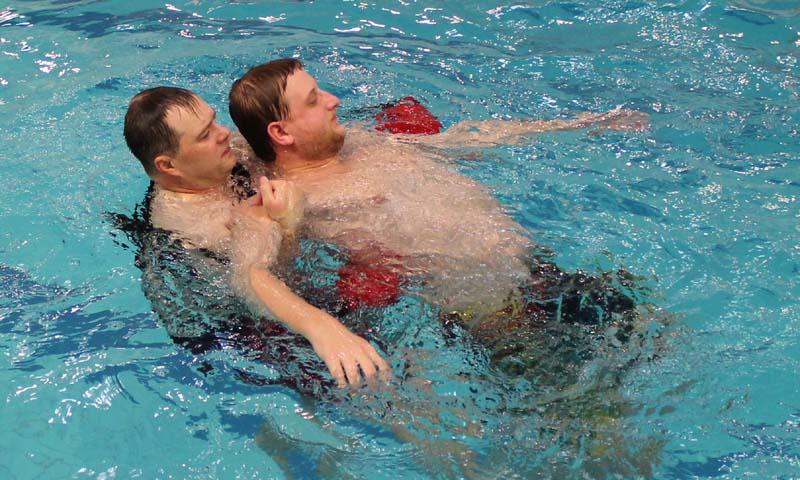
In an era when water-related accidents remain a leading cause of accidental death worldwide, knowing how to respond effectively during a drowning emergency can mean the difference between life and death. This step-by-step guide offers essential instructions on how to safely rescue someone from drowning, providing readers with practical skills that could save lives. From recognizing the signs of distress to performing self-protective rescue techniques, our comprehensive overview equips you to act quickly and confidently in critical moments. Stay informed, stay prepared-because every second counts when someone’s life is on the line.
Recognizing the Signs of Drowning and Assessing the Situation Safely
Recognizing the danger signs early can make all the difference in a water emergency. Look for distinctive indicators that suggest someone is struggling, such as:
- Uncontrolled flailing or sudden, erratic movements
- Head tilted back with mouth open, gasping for air
- Silent, panicked eyes, often focused on a fixed point
- Vertical body position in the water, with little or no leg movement
- Unable to call out or wave for help despite obvious distress
These subtle cues often precede full submersion, so swift recognition is crucial. However, approaching the person safely should be your immediate focus. Assess the environment carefully for hazards like strong currents, debris, or obstacles, and never jump in without considering your own safety.
| Assessment Step | What to Look For | Safety Action |
|---|---|---|
| Distance | How far is the victim? | Use a reaching aid or throw a flotation device |
| Water Conditions | Current strength, water temperature | Evaluate risk before entering |
| Available Help | Are there bystanders or rescue personnel nearby? | Call for assistance immediately |
Effective Rescue Techniques to Avoid Putting Yourself at Risk
When approaching a drowning victim, the primary focus is maintaining your own safety to prevent turning a rescue into a double tragedy. Before jumping into the water, always assess the situation from the shore or poolside. Use available flotation devices such as life rings, ropes, or long poles to extend a helping hand without getting too close. If you must enter the water, adopt a cautious approach by positioning yourself downstream or downwind, so the victim’s thrashing does not pull you under. Remember, quick thinking and calm behavior reduce chaos and enhance the chances of a successful rescue.
Safety-first rescue essentials include:
- Calling for professional help immediately – never underestimate trained lifeguards.
- Using a reaching assist before swimming to the victim – a towel, stick, or board can be life-saving tools.
- Maintaining a stable body position in water-keep your legs anchored to avoid being overwhelmed.
- Avoiding direct grabs around the shoulders or neck to prevent panicked resistance.
| Technique | Risk Level | Best Use |
|---|---|---|
| Reaching Assist | Low | Shallow water, close distance |
| Throwing a Life Buoy | Very Low | Moderate distance, open water |
| Wading Rescue | Moderate | Shallow water, calm currents |
| Swimming Rescue | High | Only if trained and conditions safe |
Administering First Aid and When to Call for Professional Help
Once the individual is safely out of the water, quick assessment and intervention become critical. Begin by checking their airway, breathing, and circulation. If the person is not breathing, initiate rescue breaths immediately, and if there is no pulse, begin CPR without delay. Place the victim in the recovery position if they are breathing but unconscious, ensuring their airway remains open. Use clean, dry towels or blankets to prevent hypothermia, as water exposure can rapidly lower body temperature.
Knowing when to escalate the situation can save lives. Call emergency services immediately if the person:
- Shows no signs of breathing or pulse
- Exhibits persistent coughing or wheezing
- Becomes unconscious at any time
- Has swallowed a significant amount of water
- Displays confusion, chest pain, or persistent vomiting
Even if the victim seems fully recovered, professional medical evaluation is crucial due to the risk of secondary drowning. Below is a quick reference table to help identify key symptoms that require urgent medical attention:
| Symptom | Urgency Level | Recommended Action |
|---|---|---|
| Difficulty breathing | High | Call 911 immediately |
| Persistent coughing | Moderate | Seek medical evaluation soon |
| Loss of consciousness | Critical | Emergency services on site |
| Chest pain | High | Call 911; monitor closely |
| Normal breathing, alert | Low | Medical check recommended |
The Conclusion
In the face of a drowning emergency, knowing how to respond swiftly and correctly can make the difference between life and death. This step-by-step guide has outlined essential techniques and precautions to equip you with the skills needed to save someone from drowning safely. While training and preparedness are vital, always remember that professional help should be sought immediately in such situations. By staying informed and ready to act, you contribute to safer waterways and potentially save lives in moments when every second counts.