

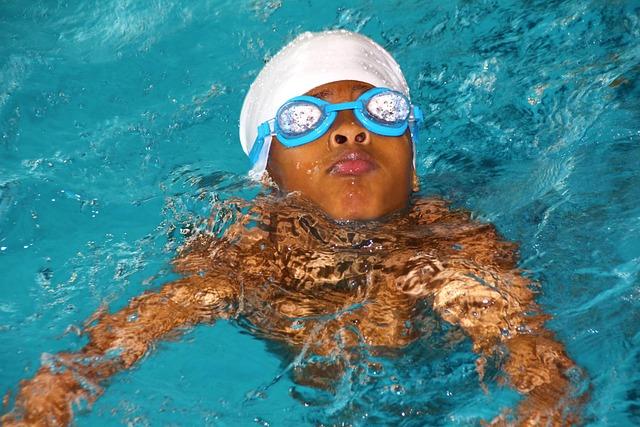
As concerns over childhood water safety grow, an increasing number of parents are turning to infant survival swim lessons as an essential early step in protecting their children. These specialized courses, which begin with simple exercises during bath time and progress to supervised pool sessions, aim to build water confidence and critical survival skills from the very start. Experts say that fostering familiarity with water in a controlled, supportive environment not only reduces the risk of drowning but also promotes long-term comfort and competence around water. This article explores the rising trend of infant survival swim lessons, their benefits, and how they are reshaping early childhood water safety practices.
Understanding Infant Survival Swim Lessons and Their Lifesaving Benefits
Infant survival swim lessons go beyond teaching babies how to float or kick; they lay the foundation for essential life skills that could one day save their lives. These carefully designed sessions focus on building water confidence from the earliest stages, starting with familiar routines like bath time before progressing to controlled pool environments. Through repetitive, gentle exposure, infants naturally develop the ability to respond instinctively to water, learning crucial behaviors such as turning onto their backs, floating, and breathing control without fear. Experts emphasize that these lessons not only foster early motor skills but also cultivate a calm and positive relationship with water that parents and caregivers can nurture through consistent practice.
Scientific studies support the lifesaving benefits of survival swimming, showing a significant decrease in accidental drowning incidents when infants receive proper aquatic education. The combination of physical, cognitive, and emotional development in these lessons equips babies with a unique set of survival tools while promoting overall health and well-being. Key components often covered include:
- Water acclimatization: Getting comfortable with water temperature and sensation
- Controlled breath-holding: Teaching babies to hold their breath underwater safely
- Submersion reflexes: Building automatic responses to unexpected water contact
- Rolling techniques: Enabling infants to flip over to float on their backs
| Age Range | Primary Focus | Expected Outcome |
|---|---|---|
| 6-12 months | Water comfort & breath control | Increased water tolerance, breath-holding |
| 12-18 months | Submersion reflex & rolling skills | Instinctive survival responses |
| 18-24 months | Floating & self-rescue basics | Basic floatation and water safety awareness |
Step-by-Step Guide to Transitioning Water Confidence from Bath Time to Pool Time
Building a seamless transition from bath time to pool time involves creating familiar and positive water experiences that encourage your infant to feel safe and confident. Start by incorporating gentle water play during baths, such as splashing softly or using floating toys, which fosters trust and enjoyment. Gradually introduce small water submersion exercises by lightly pouring water over the infant’s shoulders and face to acclimate them to the sensation. Consistency is key-repeating these playful activities daily ensures comfort with water at home before ever stepping foot in a pool environment.
When moving to the pool, emphasize gradual exposure paired with supportive touch to reinforce security and exploration. Use the following approach to ease your baby into new aquatic surroundings:
- Begin in shallow areas: Allow your infant to sit or stand, holding onto you.
- Encourage gentle floating: Support their back and head as they experience buoyancy.
- Practice controlled submersion: Brief face dips with immediate comforting boosts build water resilience.
- Engage with warm water: Match bath water temperature to reduce sensory shock.
| Bath Time Activity | Pool Time Equivalent |
|---|---|
| Splashing gently | Light water play in shallow pool |
| Floating toys | Floating with support |
| Water poured on face | Brief face submersion |
| Warm water temperature | Heated pool sections |
Expert Tips for Parents to Foster Safety and Enjoyment in Early Water Experiences
Creating positive early water experiences starts with a calm and supportive environment. Parents should introduce water gradually, beginning with gentle splash play during bath time to build comfort and familiarity. Encouraging spontaneous giggles and playful interactions helps form an emotional connection to water, which is crucial for later confidence. It’s important to stay within arm’s reach at all times, maintaining constant supervision, and using clear, reassuring language to ease any early anxieties. Accessories such as infant floatation devices can be useful, but they should never replace vigilant adult supervision.
In addition to emotional support, practical safety measures ensure a worry-free introduction to swimming pools or open water. Familiarize yourself and your infant with basic water safety rules, including recognizing safe entry and exit points. The table below summarizes key strategies to keep both fun and safety on track:
| Safety Strategy | Parent’s Role | Baby’s Benefit |
|---|---|---|
| Constant Supervision | Maintain close physical proximity | Immediate reassurance and rescue |
| Gradual Water Exposure | Use bath time for playful introductions | Builds comfort and reduces fear |
| Consistent Water Routines | Establish regular swim sessions | Enhances skill retention and enjoyment |
| Clear Communication | Use calm voice and encouraging words | Fosters trust and cooperation |
To Wrap It Up
As awareness grows about the importance of early water safety, infant survival swim lessons are becoming an essential step in nurturing confidence from bath time to pool time. These programs not only equip the youngest swimmers with critical skills but also provide peace of mind for parents and caregivers. With drowning remaining a leading cause of accidental death in young children, experts emphasize that introducing water familiarity and safety measures at an early age can make all the difference. As communities continue to prioritize these lifesaving lessons, the journey from cautious splashes in the bathtub to confident strokes in the pool promises to become a standard part of childhood development and water safety education.