

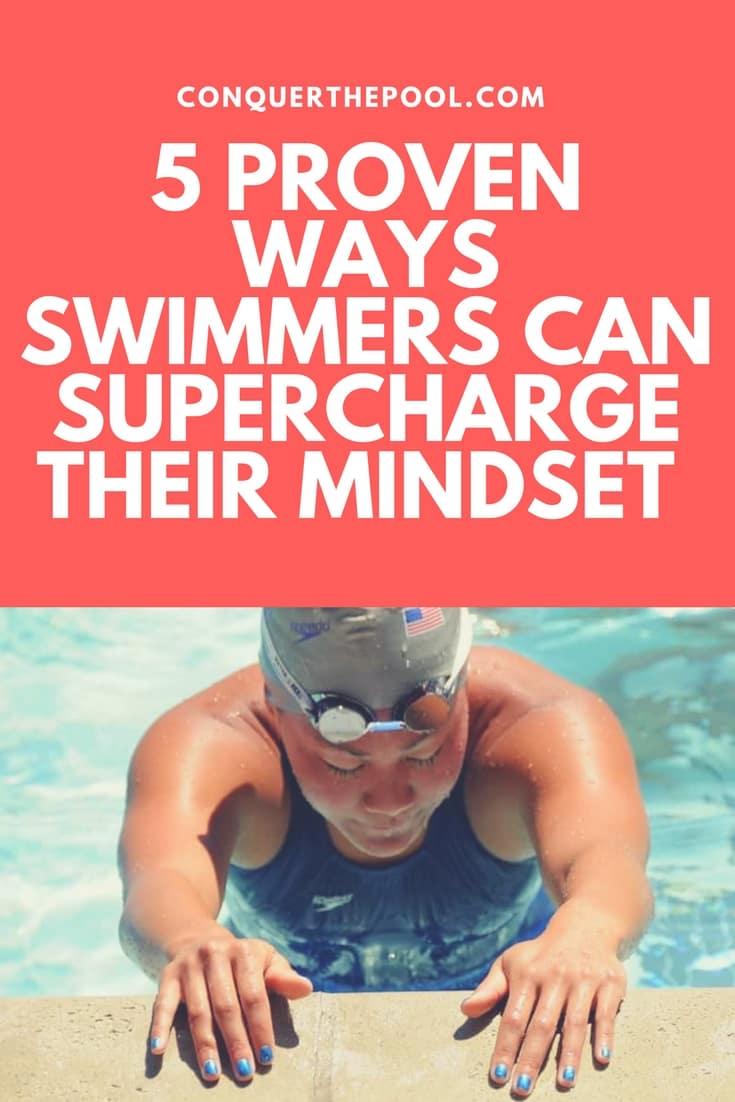
As the starting signal blares and swimmers launch themselves into the water, a complex interplay of physical endurance and mental focus begins. But what exactly goes through a swimmer’s mind during the intense seconds of a race? Beyond the splash and strokes, there is a world of strategy, self-motivation, and split-second decision-making unfolding beneath the surface. This article delves into the psychological landscape of competitive swimmers, revealing how mindset shapes performance in the pool’s high-pressure moments.
Mental Focus and Visualization Techniques That Drive Peak Performance
Inside the relentless ebb and flow of a swimmer’s mind lies a calculated mental choreography, where focus sharpens and distractions dissolve. Athletes harness visualization techniques to mentally rehearse every stroke, turn, and breath before the race even begins. This mental imagery acts as a blueprint-programming flawless execution and reinforcing confidence. Swimmers often cycle through detailed scenarios: the sensation of water on their skin, the precise timing of their dolphin kicks, and the explosive push-off at the wall. This vivid rehearsal triggers neural pathways that forge stronger mind-body connections, enabling faster reactions and sustained endurance under pressure.
Concurrently, swimmers cultivate intense micro-focus, breaking the race into manageable mental checkpoints. They remind themselves to:
- Maintain optimal rhythm by syncing breaths with strokes
- Visualize success at each stage to sustain motivation
- Regulate adrenaline to avoid early burnout
- Reaffirm technique despite fatigue
These mental maneuvers constitute a silent dialogue, a continuous stream of self-coaching that keeps performance dialed to peak levels. Below is a snapshot of typical mental cues observed during elite competitive phases:
| Race Phase | Mental Cue | Objective |
|---|---|---|
| Start | “Explode off the blocks” | Maximize initial acceleration |
| Mid-race | “Smooth, strong, steady” | Preserve energy & maintain pace |
| Turn | “Compact and quick” | Efficient wall push-off without losing momentum |
| Finish | “Last push, full power” | Summon final burst of speed |
Strategies Swimmers Use to Manage Pressure and Maintain Composure
Elite swimmers often rely on a combination of mental techniques to stay focused and calm amid the intense pressure of competition. Visualization is a key tool, where athletes mentally rehearse every stroke, turn, and finish to prime their muscles and minds. This practice helps them maintain a sense of control and predictability when the race begins. Another critical strategy is the use of controlled breathing, which regulates heart rate and keeps anxiety at bay. These techniques create a mental buffer, allowing swimmers to block out noise and distractions while tuning into their own rhythm.
Beyond individual mental exercises, the environment and routine also play significant roles. Swimmers often follow precise pre-race rituals-such as specific warm-ups, playlist choices, or motivational self-talk-that act as anchors, calming nerves through familiarity. Teams and coaches contribute by fostering a supportive atmosphere, reminding athletes that pressure is a shared experience rather than a solitary burden. Below is a simple breakdown of common techniques with their primary purposes:
| Technique | Purpose |
|---|---|
| Visualization | Enhances confidence and muscle memory |
| Controlled Breathing | Reduces stress and maintains composure |
| Pre-race Rituals | Creates comfort and focus |
| Supportive Coaching | Provides reassurance and motivation |
How Split-Second Decisions Impact Race Outcomes and What Athletes Can Do to Improve
In the high-stakes environment of competitive swimming, every millisecond counts. Athletes continuously process a whirlwind of sensory inputs, making instantaneous judgments that can dramatically alter the course of their race. From the feel of the water streaming past their fingertips to the precise timing of their breaths and turns, swimmers rely heavily on subconscious cues honed through relentless training. These split-second decisions often determine whether a swimmer gains a crucial lead or falls behind, transforming raw physical ability into a strategic weapon.
To sharpen these rapid responses, athletes incorporate targeted techniques into their preparation:
- Visualization drills: Mental rehearsal of race scenarios enhances decision-making speed under pressure.
- Reaction training: Exercises designed to improve neurological response time, such as starting block sprints and simulated race conditions.
- Biofeedback monitoring: Using real-time data on heart rate and muscle tension to maintain optimal focus and calmness.
| Factor | Impact on Decision-Making | Training Focus |
|---|---|---|
| Start Reaction | Critical for gaining early advantage | Explosive starts & auditory drills |
| Turn Timing | Maximizes momentum retention | Underwater push-offs & angle optimization |
| Breathing Pattern | Maintains oxygen supply without sacrificing speed | Controlled breathing exercises |
The Way Forward
As the final touches of a race unfold, the swimmer’s mind is a complex blend of strategy, fatigue, and relentless focus. Understanding these mental currents not only deepens our appreciation for the sport but also highlights the remarkable resilience and discipline required to compete at the highest level. Whether it’s pacing through the early laps or summoning every ounce of strength in the final stretch, the mental journey of a swimmer is as demanding as the physical one-making every race a testament to human endurance and willpower.