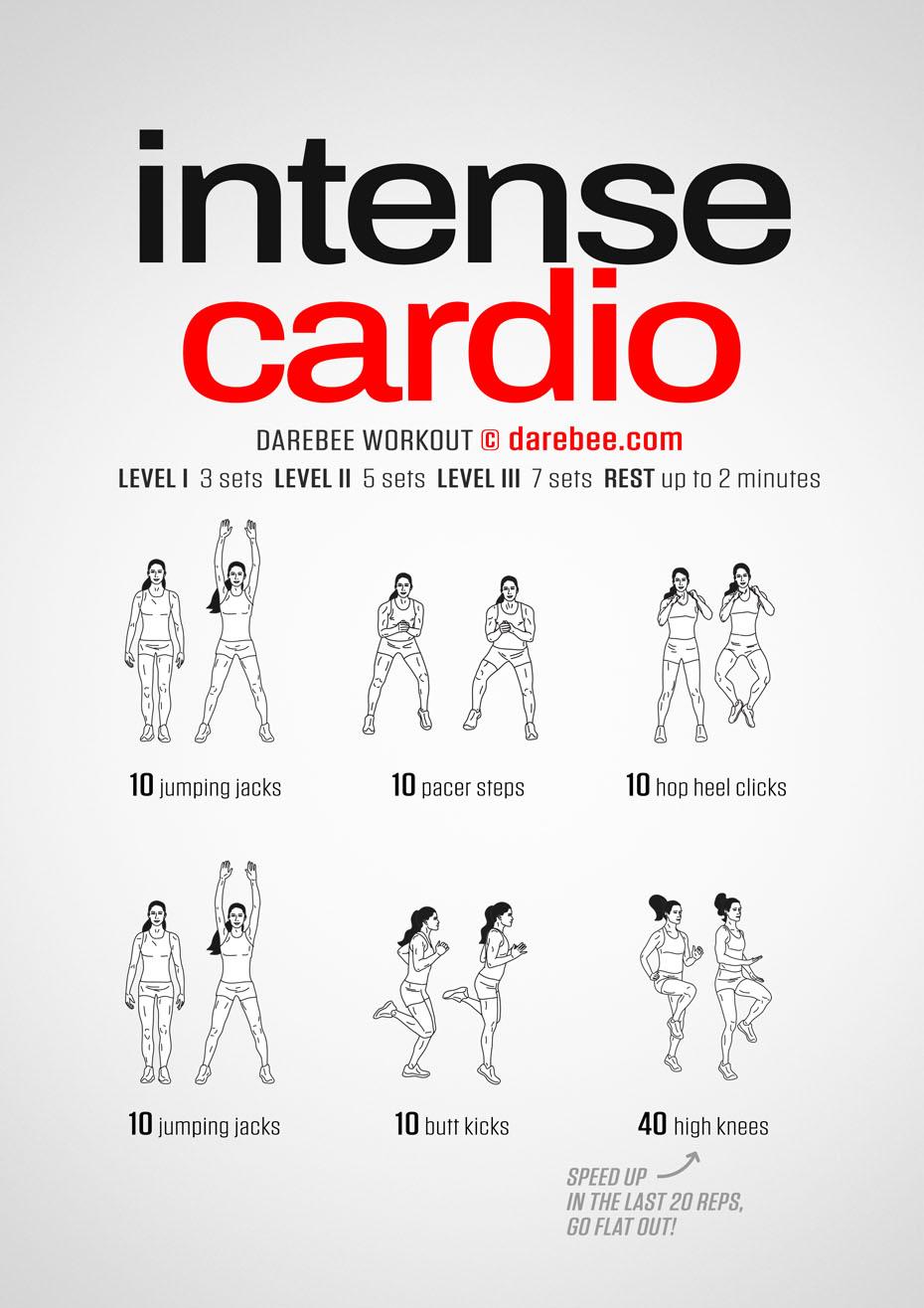
A new cardio workout is gaining attention for delivering the same heart-pumping benefits as running but without the high-impact strain on joints. Featured in Women’s Health, this exercise routine offers an effective alternative for those seeking cardiovascular fitness while minimizing injury risk. With rising interest in low-impact workouts, this approach promises to help fitness enthusiasts stay active and healthy, even if running isn’t an option.
Benefits of Low-Impact Cardio Workouts for Joint Health and Endurance
Low-impact cardio workouts offer a powerful alternative for anyone looking to boost endurance without placing excessive strain on their joints. Unlike traditional high-impact exercises, these routines reduce the risk of injuries often associated with running, such as stress fractures, knee pain, and inflammation. By emphasizing controlled, smooth movements, they promote joint stability and increase mobility over time. This makes them particularly beneficial for individuals recovering from injuries, older adults, or those with chronic conditions like arthritis.
In addition to preserving joint health, low-impact cardio can equally elevate cardiovascular endurance and calorie burn. Workouts such as elliptical training, swimming, and cycling engage major muscle groups continuously, improving heart and lung function without the jarring impact on bones and cartilage. Here’s a quick comparison of benefits:
| Benefit | Low-Impact Cardio | Running |
|---|---|---|
| Joint Stress | Minimal & Gentle | High & Repetitive |
| Injury Risk | Lower | Higher |
| Endurance Boost | Strong & Gradual | Rapid |
| Calorie Burn | Moderate to High | High |
Incorporating these workouts into your routine means enjoying all the heart health benefits of cardio exercise while giving your joints the care they deserve. This balanced approach encourages long-term fitness success without compromising structural integrity.
How This Workout Matches Running in Cardiovascular Gains Without the Strain
Cardiovascular benefits usually bring to mind pounding the pavement, but this workout offers a compelling alternative that minimizes joint stress while delivering comparable heart health improvements. By combining low-impact movements like cycling, swimming, or elliptical training with interval bursts, the body experiences elevated heart rates essential for enhancing cardiovascular endurance. Unlike running, which places repetitive strain on knees, ankles, and hips, these exercises promote sustained aerobic capacity without the common wear and tear associated with high-impact activities.
Research confirms that engaging in this type of regimen can increase VO2 max (the gold standard measure of cardiovascular fitness) just as effectively as traditional running. Key factors contributing to its success include:
- Steady-state aerobic work that enhances oxygen utilization
- Interval training segments boosting heart rate into fat-burning zones
- Full-body engagement promoting efficient circulation without undue joint compression
| Workout Type | Impact Level | Cardio Gains | Joint Stress |
|---|---|---|---|
| Running | High | High | High |
| Cycling | Low | High | Low |
| Swimming | Minimal | High | Minimal |
| Elliptical | Low | High | Low |
Expert Tips for Incorporating Low-Impact Cardio Into Your Fitness Routine
Consistency is key when integrating low-impact cardio into your fitness plan. Aim for sessions that last at least 30 minutes, three to five times a week, to maximize cardiovascular benefits without overstressing your joints. Walking, swimming, cycling, and elliptical training are excellent options that keep the heart rate elevated while minimizing impact. Incorporating variety by alternating between these activities can reduce monotony and target different muscle groups, leading to a more balanced and sustainable workout routine.
Proper form and gradual progression serve as crucial safeguards against injury. Start with a comfortable pace and low intensity, then increase duration or resistance incrementally. Utilizing tools like a heart rate monitor can help keep your effort within the optimal fat-burning and aerobic zones, enhancing efficiency. Below is a quick reference table to guide your training zones based on age:
| Age Group | Moderate Intensity (%) | Target Heart Rate (bpm) |
|---|---|---|
| 20-29 | 50-70% | 100-140 |
| 30-39 | 50-70% | 95-133 |
| 40-49 | 50-70% | 90-126 |
| 50-59 | 50-70% | 85-119 |
- Warm up and cool down: Prepare your muscles and reduce injury risk with at least five minutes of gentle movement before and after workouts.
- Listen to your body: Modify exercises if you feel pain or discomfort to prevent setbacks.
- Stay hydrated: Drinking water throughout your routine supports endurance and recovery.
Closing Remarks
In summary, this low-impact cardio workout offers an effective alternative to traditional running, delivering comparable fitness benefits while minimizing strain on the joints. As more individuals seek exercise options that balance intensity with injury prevention, workouts like these are gaining attention for their accessibility and efficiency. For those looking to enhance cardiovascular health without the high-impact demands of running, this routine presents a promising option worth incorporating into regular fitness regimes.