
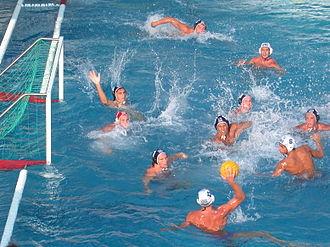
As swimmers slice through the water with streamlined grace and water polo players battle fiercely beneath the surface, these two aquatic sports may seem worlds apart. Yet, beyond sharing the same chlorinated arena, swimming and water polo intertwine in surprising ways-from training techniques and athlete conditioning to strategic teamwork and community culture. This article explores how water polo and swimming not only coexist in pool spaces worldwide but also influence and enrich each other, blurring the lines between individual endurance and collective competition.
Training Synergies Between Water Polo and Swimming Enhance Athletic Performance
Water polo athletes and swimmers benefit immensely from an intertwined training regimen, where each discipline sharpens key performance aspects of the other. Physically, water polo players develop explosive power and tactical endurance through intense, game-like drills that require quick bursts of speed, rapid changes of direction, and sustained aerobic effort. These attributes directly complement swimming training, which emphasizes streamlined efficiency, cardiovascular stamina, and technique refinement. By cross-training, athletes enhance core strength, lung capacity, and muscular coordination, fostering a versatile fitness foundation that boosts overall aquatic performance.
Shared Training Advantages Include:
- Enhanced breath control and lung capacity through rigorous underwater work
- Improved anaerobic threshold owing to high-intensity interval drills common in both sports
- Greater mental resilience developed from the tactical and endurance demands of water polo and swimming races
- Balanced muscle development – combining the full-body explosive strength required in polo with the streamlined power essential in swimming
| Training Aspect | Water Polo Focus | Swimming Focus |
|---|---|---|
| Endurance | Short bursts of high-intensity sprinting with rest | Consistent pace over long distances |
| Power | Explosive leg drive for treading water and shooting | Strong arm pulls and kicks for propulsion |
| Technique | Dynamic positioning and ball handling | Streamlined stroke mechanics |
Injury Prevention Strategies for Dual-Sport Aquatic Athletes
Balancing the rigorous demands of both water polo and competitive swimming calls for a comprehensive approach to minimize the risk of injury. Dual-sport aquatic athletes must prioritize balanced muscle conditioning to avoid overuse injuries that stem from repetitive motions common in both sports, such as shoulder rotations and leg kicks. Incorporating cross-training exercises off the pool deck can enhance muscular endurance while promoting joint stability, a crucial element given the explosive bursts required in water polo and the sustained aerobic demands of swimming.
Equally important is a strategic approach to recovery and workload monitoring. Athletes benefit from routine assessments to track signs of fatigue and muscular imbalances, which are often precursors to injury. Below is a breakdown of recommended injury prevention components tailored specifically for those navigating the challenges of dual participation:
- Dynamic warm-ups: Enhance blood flow and joint mobility before training or competition.
- Scapular stabilization exercises: Strengthen shoulder girdle to reduce impingement risk.
- Periodized training schedules: Carefully balance volume and intensity between both sports.
- Hydration and nutrition: Support tissue repair and maintain optimal energy levels.
- Regular physiotherapy sessions: Address minor issues before they escalate.
| Injury Type | Common Sport | Prevention Focus |
|---|---|---|
| Shoulder Tendinitis | Swimming | Rotator cuff strengthening |
| Groin Strain | Water Polo | Adductor muscle conditioning |
| Lower Back Pain | Both | Core stability & flexibility |
Optimizing Pool Scheduling to Support Both Water Polo and Competitive Swimming
Effectively coordinating pool usage for both water polo and competitive swimming requires meticulous planning and open communication between coaches, athletes, and facility managers. Each sport demands distinct water conditions and session structures-water polo benefits from well-marked boundaries and goal setups, while swimming competitions prioritize uninterrupted lane access and precise timing equipment. To balance these needs, facilities often adopt staggered schedules that alternate prime-time hours, ensuring both teams receive adequate practice time without overburdening the pool infrastructure.
Key strategies to optimize pool scheduling include:
- Allocating specific days for skill-focused water polo drills and others for lap swimming to minimize equipment conflicts.
- Implementing shared warm-up and cool-down periods to enhance overall pool efficiency.
- Utilizing multi-use lanes that can be quickly adapted for both sprint training and game simulations.
- Encouraging cross-disciplinary communication to anticipate scheduling conflicts well in advance.
| Time Slot | Water Polo | Competitive Swimming |
|---|---|---|
| 6:00 AM – 8:00 AM | Pool setup and conditioning drills | Warm-up and sprint sets |
| 8:00 AM – 10:00 AM | Match simulations | Technique refinement |
| 5:00 PM – 7:00 PM | Strategy sessions & team scrimmages | Endurance training |
| 7:00 PM – 9:00 PM | Cooldown & video analysis | Cooldown & recovery swims |
Final Thoughts
As water polo and swimming continue to evolve side by side, their intertwined histories and shared environments highlight a unique sporting relationship. Beyond competing for pool space, these aquatic disciplines foster mutual respect, athletic development, and a deeper appreciation for water-based challenges. Whether racing against the clock or battling opponents, athletes from both sports contribute to a vibrant aquatic community that thrives on collaboration as much as competition. As pools host these dynamic events, it’s clear that water polo and swimming share more than just water-they share a legacy of endurance, skill, and teamwork that enriches the broader world of aquatic sports.