Close Menu
  • Home
  • News
  • Training
  • World
  • Opinion
Facebook X (Twitter) Instagram
Trending
  • Hudson River Swimming Ban Remains: Essential Information You Shouldn’t Miss
  • Mary-Sophie Harvey Withdraws from 200 IM Final at Canadian Trials Citing Illness
  • Taylor Ruck Dominates with 4th Win as Ella Jansen Shines with 3rd Victory at Bell Canadian Trials Night 4
  • Mary-Sophie Harvey Withdraws from 200 IM Final at Canadian Trials Citing Illness
  • Celebrating 125 Years: The Club That Ignited Western Australia’s Swimming Legacy
  • College Swimming League Lands Major ESPN TV Deal-Broadcast Dates Announced!
  • Lehigh Swimming and Diving Teams Shine with Prestigious Academic Honors
  • Russia Smashes World Junior Relay Record, Surpassing Senior Relay’s 2025 Time in Thrilling Finals
Thursday, July 9
Swimming Info
  • Home
  • News
  • Training
  • World
  • Opinion
Swimming Info
Home»News»Warning: Stagnant Water Could Threaten Your Health This Summer!
News June 27, 2025By Sophia Davis

Warning: Stagnant Water Could Threaten Your Health This Summer!

Warning: Stagnant Water Could Threaten Your Health This Summer!
Share
Facebook Twitter LinkedIn Pinterest Email Tumblr Reddit VKontakte Telegram WhatsApp Copy Link

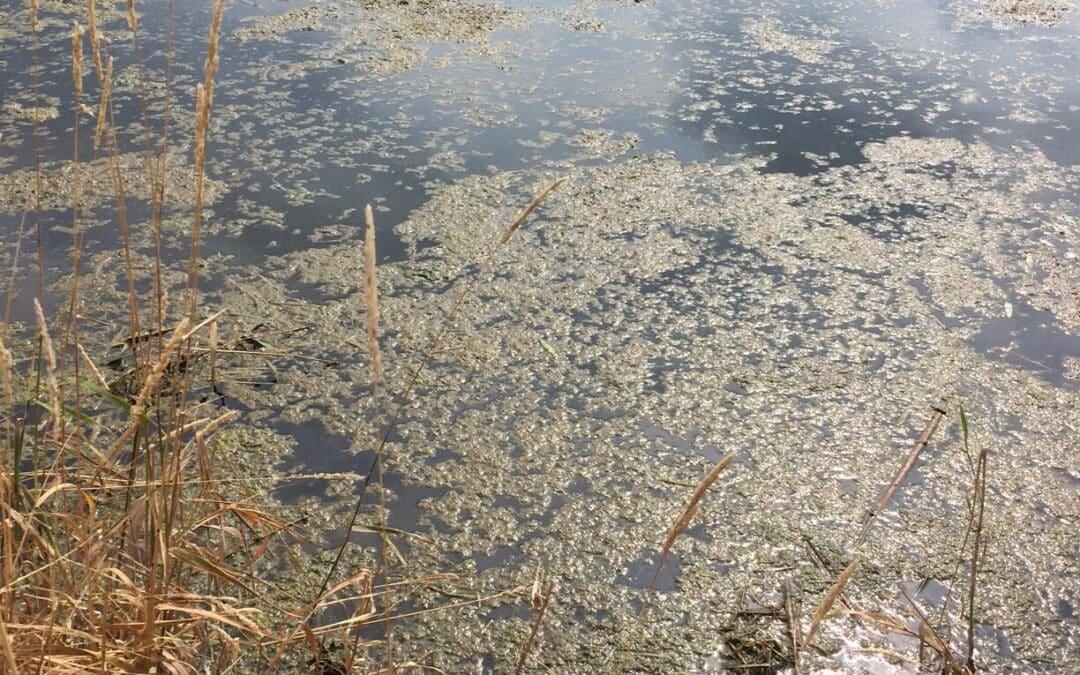
As summer temperatures rise, many residents seek relief by swimming in local pools, lakes, and ponds. However, health officials are warning that stagnant water may harbor deadly pathogens, posing serious risks to swimmers. According to KPLC 7 News, exposure to contaminated still water can lead to severe infections and health complications, underscoring the importance of water safety awareness during the peak swimming season.

Table of Contents

Toggle
  • Health Risks of Swimming in Stagnant Water During Summer
  • Common Deadly Pathogens Found in Stagnant Pools and Lakes
  • Safety Measures to Prevent Waterborne Illnesses While Swimming
  • In Retrospect

Health Risks of Swimming in Stagnant Water During Summer

Swimming in stagnant water during the summer months greatly increases the risk of exposure to a variety of harmful pathogens. These waters often become breeding grounds for bacteria such as Escherichia coli and Salmonella, alongside parasites like Cryptosporidium and Giardia. Contact with or ingestion of contaminated water can result in severe gastrointestinal illnesses, skin infections, and respiratory issues. Medical experts warn that these microbes thrive in warm, still water commonly found in ponds, lakes, and small pools left unattended.

Health complications linked to stagnant water exposure include:

  • Severe diarrhea and vomiting from parasitic infections
  • Skin rashes and open wound infections
  • Eye and ear infections
  • Respiratory illnesses in vulnerable individuals

<

Swimming in stagnant water during the summer months greatly increases the risk of exposure to a variety of harmful pathogens. These waters often become breeding grounds for bacteria such as Escherichia coli and Salmonella, alongside parasites like Cryptosporidium and Giardia. Contact with or ingestion of contaminated water can result in severe gastrointestinal illnesses, skin infections, and respiratory issues. Medical experts warn that these microbes thrive in warm, still water commonly found in ponds, lakes, and small pools left unattended.

Health complications linked to stagnant water exposure include:

  • Severe diarrhea and vomiting from parasitic infections
  • Skin rashes and open wound infections
  • Eye and ear infections
  • Respiratory illnesses in vulnerable individuals
Pathogen Common Illness Symptoms
Escherichia coli Bacterial Gastroenteritis Diarrhea, stomach cramps
Cryptosporidium Cryptosporidiosis Severe watery diarrhea, dehydration
Salmonella

<

Common Deadly Pathogens Found in Stagnant Pools and Lakes

Stagnant pools and lakes often harbor a variety of dangerous microorganisms that pose significant health risks to swimmers. Among the most notorious are Legionella pneumophila, the bacteria responsible for Legionnaires’ disease, which can cause severe pneumonia and respiratory distress. Another major threat is Naegleria fowleri, commonly known as the “brain-eating amoeba,” a rare but typically fatal pathogen that enters the body through the nose during water activities.

Other pathogens commonly detected in these stagnant waters include:

  • Escherichia coli (E. coli): Indicator of fecal contamination leading to gastrointestinal illness.
  • Cryptosporidium: A parasite causing severe diarrhea and dehydration.
  • Giardia lamblia: A protozoan parasite that triggers giardiasis, characterized by stomach cramps and nausea.
  • Shigella: Bacteria causing dysentery and intense abdominal pain.
Pathogen Common Illness Symptoms
Escherichia coli Bacterial Gastroenteritis Diarrhea, stomach cramps
Cryptosporidium Cryptosporidiosis Severe watery diarrhea, dehydration
Salmonella
Pathogen Common Symptoms Transmission
Legionella pneumophila Fever, cough, shortness of breath Inhalation of contaminated water droplets
Naegleria fowleri Severe headache, fever, coma Water entering the nasal cavity
E. coli Diarrhea, vomiting, stomach cramps Ingestion of contaminated water
Cryptosporidium Watery diarrhea, dehydration Fecal-oral route

Safety Measures to Prevent Waterborne Illnesses While Swimming

Swimming in stagnant water increases the risk of exposure to harmful bacteria, viruses, and parasites that thrive in such environments. To safeguard your health, it is crucial to avoid areas with little to no water movement, such as puddles, ponds, or slow-moving streams. Always look for officially maintained swimming spots with clear water and regular quality checks. Additionally, showering before and after swimming helps reduce germs on your skin, lowering the chance of infection. Avoid swallowing water while swimming, as many waterborne pathogens enter the body through ingestion.

  • Check water quality warnings posted by local authorities before entering any natural waterbody.
  • Do not swim if you have open wounds or cuts to prevent infections.
  • Keep children away from stagnant water, as their immune systems are generally weaker.
  • Use protective footwear when walking near or in stagnant water to avoid cuts and infections.
Pathogen Common Illness Symptoms Prevention Tips
Cryptosporidium Diarrheal Disease Watery diarrhea, stomach cramps Avoid swallowing water; shower before swimming
Leptospira Leptospirosis Fever, muscle pain, vomiting Do not swim with open wounds; steer clear of stagnant water
Giardia Giardiasis Diarrhea, bloating, fatigue Use designated swimming areas; good hygiene practices

In Retrospect

As summer temperatures rise and swimmers seek relief, awareness of the dangers posed by stagnant water becomes increasingly vital. Health officials continue to warn that standing water can harbor deadly pathogens, posing serious risks to those who enter. Staying informed and choosing safe swimming locations are key steps to ensuring a safe and enjoyable summer. For more updates and safety tips, stay tuned to KPLC 7 News.

News Swimming
Sophia Davis

A cultural critic with a keen eye for social trends.

Related Posts
Hudson River Swimming Ban Remains: Essential Information You Shouldn’t Miss
News July 9, 2026

Hudson River Swimming Ban Remains: Essential Information You Shouldn’t Miss

Mary-Sophie Harvey Withdraws from 200 IM Final at Canadian Trials Citing Illness
News July 9, 2026

Mary-Sophie Harvey Withdraws from 200 IM Final at Canadian Trials Citing Illness

Taylor Ruck Dominates with 4th Win as Ella Jansen Shines with 3rd Victory at Bell Canadian Trials Night 4
News July 9, 2026

Taylor Ruck Dominates with 4th Win as Ella Jansen Shines with 3rd Victory at Bell Canadian Trials Night 4

Mary-Sophie Harvey Withdraws from 200 IM Final at Canadian Trials Citing Illness
News July 8, 2026

Mary-Sophie Harvey Withdraws from 200 IM Final at Canadian Trials Citing Illness

Add A Comment
Leave A Reply Cancel Reply


Hudson River Swimming Ban Remains: Essential Information You Shouldn’t Miss

Hudson River Swimming Ban Remains: Essential Information You Shouldn’t Miss

July 9, 2026
Mary-Sophie Harvey Withdraws from 200 IM Final at Canadian Trials Citing Illness

Mary-Sophie Harvey Withdraws from 200 IM Final at Canadian Trials Citing Illness

July 9, 2026
Taylor Ruck Dominates with 4th Win as Ella Jansen Shines with 3rd Victory at Bell Canadian Trials Night 4

Taylor Ruck Dominates with 4th Win as Ella Jansen Shines with 3rd Victory at Bell Canadian Trials Night 4

July 9, 2026
Mary-Sophie Harvey Withdraws from 200 IM Final at Canadian Trials Citing Illness

Mary-Sophie Harvey Withdraws from 200 IM Final at Canadian Trials Citing Illness

July 8, 2026
Celebrating 125 Years: The Club That Ignited Western Australia’s Swimming Legacy

Celebrating 125 Years: The Club That Ignited Western Australia’s Swimming Legacy

July 8, 2026
College Swimming League Lands Major ESPN TV Deal-Broadcast Dates Announced!

College Swimming League Lands Major ESPN TV Deal-Broadcast Dates Announced!

July 8, 2026
Categories
Archives
July 2026
M T W T F S S
 12345
6789101112
13141516171819
20212223242526
2728293031  
« Jun    
Swimming Info
  • About Us
  • Our Authors
  • Contact Us
  • Disclaimer
  • Privacy Policy
  • Cookies Policy
© 2026 Swimming Info. All Rights Reserved.

Type above and press Enter to search. Press Esc to cancel.