

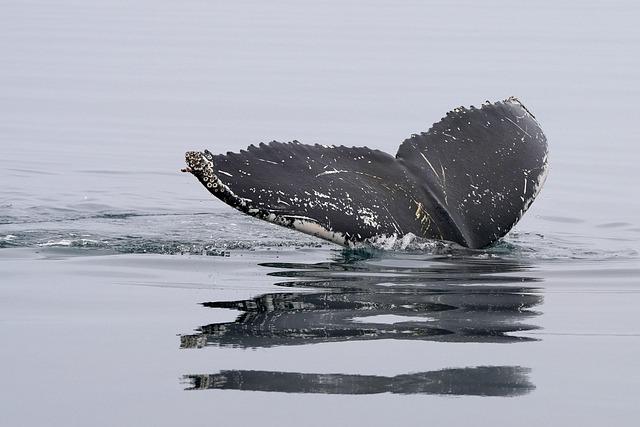
Two humpback whales have made scientific history by setting new records for long-distance migration, swimming an extraordinary route between Australia and Brazil. The remarkable journeys, tracked by marine researchers, shed fresh light on the endurance and navigation abilities of these majestic creatures, offering unprecedented insights into their migratory behavior across the vast expanse of the Southern Hemisphere’s oceans.
Humpback Whales Achieve Unprecedented Transoceanic Migration Between Australia and Brazil
In a stunning display of endurance and navigation, two humpback whales have completed an extraordinary transoceanic journey from the coasts of Australia to the shores of Brazil. These marine mammals covered an estimated distance of over 13,000 kilometers, setting a new record for the longest known migratory swim of their species. Tagged and monitored by marine researchers, the whales navigated open waters, crossing multiple oceanic currents and enduring varying climatic conditions over several months.
Key highlights of this exceptional migration include:
- Duration: Approximately 5 months at sea
- Distance Covered: 13,000+ kilometers
- Route: Eastern Australia to Northeastern Brazil
- Tracking Method: Satellite telemetry
| Parameter | Value |
|---|---|
| Average speed | 5 km/h |
| Max depth | 150 m |
| Rest days | 10 (approx.) |
| Number of dives | 1200+ |
Tracking Technology Reveals New Insights Into Whale Navigation and Endurance
Recent tracking technology has unveiled remarkable feats by two humpback whales that completed unprecedented migrations between Australia and Brazil. Utilizing advanced satellite tags, researchers were able to monitor their routes, speed, and diving behavior in intricate detail. The data revealed not only the animals’ exceptional endurance but also adaptive navigation techniques that challenge previous assumptions about whale migratory patterns. These whales managed to sustain long non-stop swims while diving deep, sometimes exceeding depths of 100 meters for extended periods, highlighting their extraordinary physiological resilience.
Among the most striking findings were:
- Non-linear navigation routes: The whales took varying paths influenced by ocean currents and feeding grounds.
- High swimming speeds: Averaging nearly 4 km/h for continuous periods surpassing two weeks.
- Energy conservation strategies: Shifts in diving patterns suggested calculated energy use during the marathon journey.
| Metric | Whale A | Whale B |
|---|---|---|
| Total Distance (km) | 9,500 | 9,700 |
| Longest Continuous Swim (days) | 16 | 18 |
| Average Dive Depth (m) | 85 | 92 |
| Max Speed (km/h) | 6.3 | 6.1 |
Conservation Experts Urge Enhanced Protection Along Critical Whale Migration Routes
In a groundbreaking observation, two humpback whales have been tracked achieving an unprecedented migration distance between the coasts of Australia and Brazil, covering more than 12,000 kilometers. This extraordinary journey highlights not only the impressive endurance of these mammals but also the critical importance of safeguarding the vast underwater corridors they traverse. Marine biologists emphasize that these routes are increasingly threatened by maritime traffic, pollution, and climate change, all of which jeopardize whale populations globally.
Key concerns raised by conservationists include:
- The rise in ship strikes due to busy shipping lanes overlapping migration paths
- Noise pollution disrupting whale communication and navigation
- Depletion of feeding grounds linked to ocean temperature shifts
To address this, experts are calling for enhanced international cooperation and the establishment of protected marine zones along these critical channels. The goal is to implement stricter regulations on vessel speeds, improve real-time monitoring systems, and launch educational campaigns targeting coastal communities and shipping industries alike.
| Migration Route | Distance (km) | Known Threats |
|---|---|---|
| Australia to Brazil | 12,000+ | Shipping traffic, noise pollution |
| North Pacific | 8,000 | Fishing nets, coastal development |
| Antarctic to South Africa | 9,500 | Climate change, oil exploration |
In Conclusion
The extraordinary journeys of these two humpback whales not only highlight the remarkable endurance and navigational abilities of marine mammals but also provide valuable insights for scientists studying migration patterns and ocean health. As researchers continue to track and analyze such epic voyages, each discovery brings us closer to understanding the delicate balance of marine ecosystems and underscores the importance of conserving these majestic creatures and their habitats for future generations.