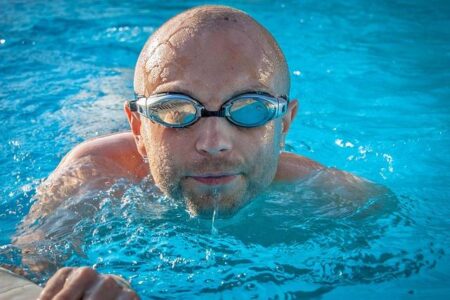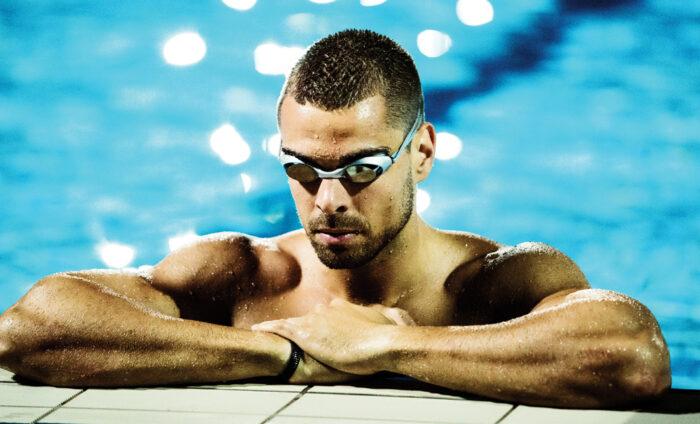
As modern life grows increasingly fast-paced and demands continue to mount, feelings of overwhelm have become a common experience for many. Amid the search for effective stress-relief techniques, an age-old activity is gaining attention not just as exercise, but as a form of moving meditation: swimming. Experts and wellness advocates highlight how incorporating swimming into daily routines can serve as a powerful antidote to mental fatigue, helping individuals achieve calm, clarity, and emotional balance. This article explores the rising trend of using swimming as a meditative practice to prevent overwhelm and promote holistic well-being.
Benefits of Swimming as a Mindful Practice for Stress Reduction
Engaging in swimming taps into a unique form of mindfulness, as the rhythmic movement and steady breathing synchronize the mind and body. This aquatic practice leverages the soothing properties of water to create a sensory-rich environment where external distractions fade away. Unlike traditional meditation, swimming requires an immersive physical focus-each stroke and breath serves as an anchor, pulling the mind away from stress and into the present moment. As a result, swimmers often report heightened mental clarity, emotional balance, and a significant reduction in cortisol, the body’s primary stress hormone.
Besides the meditative flow that swimming fosters, it offers a spectrum of physiological benefits that complement stress reduction. The cool water temperature naturally calms nerve endings and reduces muscle tension, contributing to an overall sense of relaxation. Below is a quick comparison of swimming-related stress relief benefits against other common mindfulness practices:
| Benefit | Swimming | Traditional Meditation | Yoga |
|---|---|---|---|
| Mind-Body Engagement | High | Medium | High |
| Physical Activity Level | Moderate to High | Low | Moderate |
| Cooling Effect | Yes | No | Rarely |
| Breath Control Focus | Integral | Integral | Integral |
| Stress Hormone Reduction | Significant | Moderate | Moderate |
Moreover, swimming’s repetitive and fluid motions encourage a natural meditative state that helps interrupt chronic stress patterns. This makes it an accessible and enjoyable tool for those who might find traditional seated meditation challenging, allowing greater adherence and long-term mental health benefits.
How to Create a Swimming Routine That Enhances Mental Clarity
Establishing a swimming routine that sharpens mental clarity requires intentional planning tailored to both body and mind. Start by setting consistent swimming sessions-preferably early mornings or late afternoons-when external distractions are minimal. Each session should blend steady laps with mindful breathing techniques, encouraging swimmers to sync their strokes with their breath. This rhythmic focus not only enhances oxygen flow but also cultivates a meditative state, allowing thoughts to settle and mental fog to dissipate.
To maximize the cognitive benefits, diversify your swimming routine with the following elements:
- Interval training: Short bursts of focused speed followed by slow, deliberate recovery laps to improve concentration and resilience.
- Visualization exercises: Picture each stroke slicing through water with purpose, reinforcing mental imagery and focus.
- Post-swim reflection: Allocate 5-10 minutes for quiet mindfulness or journaling to process sensations and clear lingering stress.
| Routine Element | Frequency | Benefit |
|---|---|---|
| Consistent Lap Swim | 3-4 times/week | Establishes rhythm and mental calm |
| Breath-Focused Practice | Daily (5-10 min) | Improves focus and stress control |
| Visualization Drills | Twice/week | Sharpens mental clarity |
| Post-Swim Reflection | After every session | Promotes mindfulness and emotional release |
Expert Tips for Combining Breath Control and Movement to Maximize Meditation Effects
Harmonizing breath with fluid movement unlocks a powerful meditative state, especially in aquatic environments. In swimming, the rhythmic pattern of inhaling deeply through the mouth and exhaling fully underwater naturally synchronizes with each stroke, promoting focused awareness and reducing mental clutter. To enhance this synergy, begin by paying close attention to your breathing intervals before integrating more complex swimming techniques. This conscious regulation of breath not only calms the nervous system but also anchors your mind to the present moment, preventing overwhelm from creeping in during intense sessions.
Experts highlight several strategies to optimize this mind-body connection:
- Maintain steady, even breaths: Avoid rapid breathing to sustain calmness and energy.
- Coordinate breath with stroke cycles: Use each arm pull or kick as a cue for inhaling or exhaling.
- Use guided visualization: Imagine the water cleansing stress with every exhale and refreshing vitality with each inhale.
- Practice mindful pauses: Briefly hold position mid-swim to focus solely on breath, deepening meditative immersion.
| Breath Control Technique | Purpose | Recommended Practice |
|---|---|---|
| Box Breathing | Stress Reduction | Inhale 4s, hold 4s, exhale 4s, hold 4s |
| Diaphragmatic Breathing | Enhance Oxygen Flow | Focus on deep belly breaths while swimming |
| Breath-Stroke Sync | Mindful Movement | Breathe in during two strokes, out during two strokes |
To Conclude
As the demands of daily life continue to mount, finding accessible and effective ways to combat overwhelm is increasingly vital. Incorporating swimming as a form of meditation offers a practical solution that not only promotes physical health but also nurtures mental clarity and calm. Whether you’re a seasoned swimmer or a beginner dipping your toes into the pool, embracing this meditative practice could be the key to regaining balance and resilience in a hectic world. As more individuals seek holistic approaches to well-being, swimming stands out as a promising path to prevent overwhelm and foster lasting peace of mind.