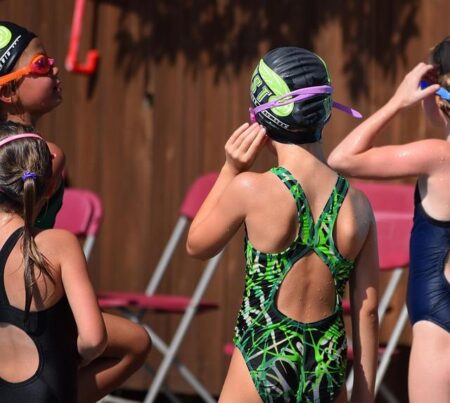
LEXINGTON, NC – As summer temperatures rise and families flock to pools and lakes, the Lexington YMCA is stepping up to promote water safety with a fresh set of summer swim safety tips. In collaboration with WXII, the community-focused organization aims to reduce drowning incidents and ensure everyone enjoys a safe and fun swim season. This article outlines key advice from the Lexington YMCA that could save lives and help residents stay vigilant around the water.
Summer Swim Safety Emphasizes Vigilant Supervision and Proper Equipment
Ensuring the safety of children and adults at the pool or beach this summer requires unwavering attention. Experts from the Lexington YMCA stress that constant, distraction-free supervision is the most effective defense against drowning accidents. Designating a “water watcher” during swim sessions-someone whose sole job is to monitor swimmers-can significantly reduce risks. Additionally, clear communication among caregivers and swimmers helps maintain a secure environment, preventing dangerous situations before they arise.
Equipping swimmers with the right gear also plays a crucial role in water safety. The Lexington YMCA recommends the following essentials for all ages:
- U.S. Coast Guard-approved life jackets tailored to fit properly and used consistently
- Swim goggles to protect eyes and improve visibility underwater
- Non-slip water shoes to prevent accidental falls on slick surfaces
- Sun protection, including waterproof sunscreen and hats, to avoid heat-related illnesses
| Equipment | Recommended Age | Key Safety Benefit |
|---|---|---|
| Life Jacket | All ages | Prevents drowning by providing buoyancy |
| Swim Goggles | 3 years and older | Protects eyes and enhances underwater visibility |
| Water Shoes | 5 years and older | Reduces slips and foot injuries |
| Sunscreen (SPF 30+) | All ages | Prevents sunburn and skin damage |
Lexington YMCA Experts Advise on Identifying and Preventing Common Water Hazards
Recognizing potential water hazards is crucial to ensuring a safe swimming experience for families this summer. Experts at the Lexington YMCA emphasize the importance of constant supervision and awareness. They recommend that swimmers and guardians stay alert to signs of fatigue, recognize sudden weather changes, and avoid swimming alone. Additionally, the YMCA stresses understanding the layout of pools, lakes, or other swimming areas, paying special attention to depth markers and designated safe zones. These precautions not only minimize the risk of accidents but also create a more enjoyable environment for all participants.
Key Prevention Tips from Lexington YMCA Specialists:
- Always swim with a buddy – never alone
- Ensure children wear life jackets in open water
- Learn and practice CPR and basic rescue techniques
- Avoid swimming during storms or rough water conditions
- Keep pool areas clear of toys and other trip hazards
| Common Water Hazard | Preventive Measure |
|---|---|
| Unsupervised swimming | Designate a water watcher |
| Hidden currents | Swim in designated safe areas |
| Fatigue or cramps | Take frequent breaks |
| Improper flotation devices | Use U.S. Coast Guard-approved life jackets |
Essential Tips for Teaching Children Safe Swimming Practices at Home and Community Pools
Teaching children safe swimming habits is crucial to ensuring their protection both at home and in community pools. Start by emphasizing the importance of never swimming alone-always having a buddy or adult supervision is key to quick response in emergencies. Encourage kids to understand and follow posted pool rules, such as no running near the water and refraining from diving in shallow areas. Introducing basic water skills early, like floating and treading water, builds confidence and safety awareness. Equipping children with age-appropriate life jackets or flotation devices, especially if they are not strong swimmers, adds an important layer of security.
Parents and caregivers should also rake a proactive role by setting clear expectations and serving as positive role models in the water. Some essential reminders include:
- Consistent supervision: Keep children within arm’s reach, especially younger swimmers.
- Teaching pool exits: Show kids how to safely enter and exit all pool areas.
- Hydration and sun safety: Encourage regular water breaks and use of sunscreen.
- Emergency readiness: Familiarize children with the location of safety equipment and how to call for help.
| Tip | Purpose | |||||||
|---|---|---|---|---|---|---|---|---|
| Supervision within arm’s reach | Rapid assistance in case of trouble | |||||||
| Use of life jackets | Additional buoyancy and safety | |||||||
| Swimming lessons | Teaching children safe swimming habits is crucial to ensuring their protection both at home and in community pools. Start by emphasizing the importance of never swimming alone-always having a buddy or adult supervision is key to quick response in emergencies. Encourage kids to understand and follow posted pool rules, such as no running near the water and refraining from diving in shallow areas. Introducing basic water skills early, like floating and treading water, builds confidence and safety awareness. Equipping children with age-appropriate life jackets or flotation devices, especially if they are not strong swimmers, adds an important layer of security. Parents and caregivers should also take a proactive role by setting clear expectations and serving as positive role models in the water. Some essential reminders include:
|