
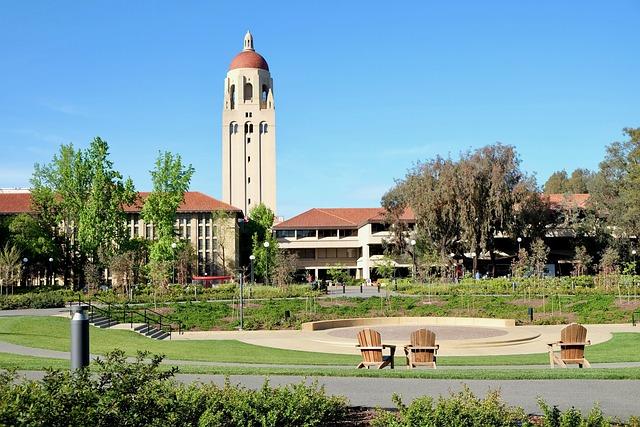
Stanford University has secured its second consecutive national championship in artistic swimming, further cementing its dominance in the sport. The Cardinal’s impressive performance at this year’s national meet showcased their exceptional skill, precision, and teamwork, earning them top honors once again. This victory not only highlights Stanford’s continued excellence but also reflects the growing prominence of artistic swimming at the collegiate level.
Stanford Dominates Artistic Swimming with Back-to-Back National Titles
Stanford’s artistic swimming team has solidified its position at the pinnacle of collegiate aquatic sports by securing its second consecutive national championship. The squad dazzled judges and spectators alike with their flawless execution, innovative choreography, and unyielding team synchronization. Key highlights from their championship performance include:
- Precision-driven routines combining technical difficulty and artistic expression
- Seamless transitions that showcased exceptional team coordination
- Impressive endurance maintaining peak athleticism throughout intense competition rounds
Behind the triumphant streak is a blend of seasoned veterans and fresh talent, mentored by a coaching staff known for pushing creative boundaries. The team’s commitment to excellence is evident in their rigorous training regimen and strategic approach to the sport’s evolving demands. A glance at their key competitive stats from the season underscores Stanford’s dominance:
| Competition Stage | Score | Ranking |
|---|---|---|
| Preliminaries | 95.8 | 1st |
| Semifinals | 96.4 | 1st |
| Finals | 97.1 | 1st |
Inside the Training Regimen That Propelled Stanford to Victory
Stanford’s triumph was no stroke of luck but the result of an intensely disciplined training regimen that blends rigorous physical conditioning with artistic precision and mental fortitude. The athletes engage in daily sessions that encompass endurance swims, breath control drills, and strength training, ensuring they maintain peak physical form throughout the grueling national competition. Coaches emphasize not only stamina but also flexibility and synchronization, critical elements that set Stanford apart from their rivals.
Creative choreography is honed through countless hours spent perfecting timing and expression, often underwater, where communication relies heavily on trust and unspoken cues. The training week typically includes:
- Morning Conditioning: Cardiovascular workouts and core strengthening exercises to build endurance and power.
- Technical Drills: Breath-hold practices and precise movement patterns to enhance uniformity and fluidity.
- Water Rehearsals: Full routine run-throughs focusing on synchronization, transitions, and artistic intent.
- Recovery Sessions: Yoga and flexibility exercises designed to prevent injury and improve range of motion.
| Training Component | Average Weekly Hours | Focus Area |
|---|---|---|
| Cardio & Strength | 8 | Endurance & Power |
| Technical Drills | 6 | Breath Control & Precision |
| Routine Practice | 10 | Synchronization & Artistry |
| Flexibility & Recovery | 4 | Injury Prevention |
Expert Tips for Aspiring Artistic Swimmers Inspired by Stanford’s Success
Achieving excellence in artistic swimming requires relentless dedication and a strategic approach, as demonstrated by Stanford’s championship teams. Aspiring swimmers should prioritize not only physical conditioning but also mental preparedness. Mastering breath control and synchronization are paramount; these elements elevate routines from good to breathtaking. Incorporating cross-training disciplines such as yoga and Pilates can enhance flexibility and core strength, key attributes seen in Stanford’s seamless team performances.
Coaching expertise and team chemistry also play vital roles in success. Regular video analysis and feedback loops foster continuous improvement, a staple in Stanford’s training regimen. To illustrate the focus areas that define top-tier artistic swimmers, refer to the table below outlining essential skills and their training benefits:
| Skill | Training Focus | Benefit |
|---|---|---|
| Breath Control | Underwater holds & apnea drills | Extended performance time |
| Synchronization | Mirror drills & timing exercises | Fluid team unity |
| Flexibility | Dynamic stretching & yoga | Enhanced artistic expression |
| Strength | Resistance training & Pilates | Powerful lifts and stability |
- Commit daily to refining techniques both in and out of the pool.
- Embrace constructive criticism to evolve routines continuously.
- Foster strong team communication to remain synchronized under pressure.
In Conclusion
With their second consecutive national title secured, Stanford’s artistic swimming team has solidified its position as a dominant force in collegiate aquatic sports. The Cardinal’s dedication, precision, and artistry continue to set the standard, inspiring both current team members and aspiring athletes nationwide. As the season concludes, all eyes will be on Stanford to see if they can sustain this championship-winning momentum in the years to come.