
As summer temperatures rise, many families seek the perfect spot to cool off and enjoy the water. But when it comes to safety, is a backyard pool a better choice than a natural lake? Experts weigh in on the risks and benefits of each setting, offering crucial guidance for swimmers of all ages. In this article from multicare.org, we explore the key factors that determine which is safer for summer swimming-pool or lake-and provide tips to help you make informed decisions for a fun and secure season.
Health Risks and Safety Concerns in Pools Compared to Lakes
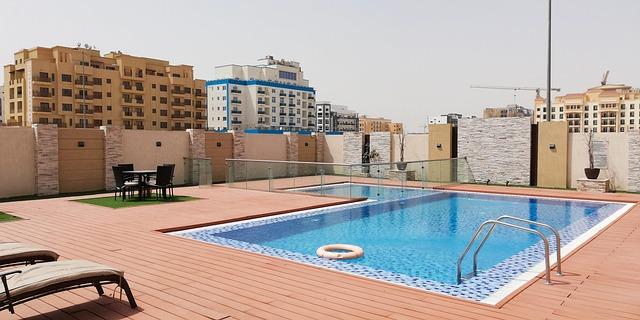
When it comes to safety, swimming pools are generally more regulated environments, offering controlled water quality and consistent maintenance. Pools are treated with chlorine and other chemicals to eliminate harmful bacteria and algae, significantly reducing the risk of infections such as ear infections, skin irritations, and gastrointestinal illnesses. Additionally, lifeguards and safety rules in public pools provide a structured setting that helps prevent accidents and prompt emergency responses. However, improper chemical balance or poor upkeep can sometimes lead to issues like respiratory irritation or chemical burns, making regular monitoring essential.
Natural lakes, while visually appealing and expansive, pose unique health risks due to their open ecosystems. They can harbor bacteria, parasites, and harmful algal blooms that thrive, especially in warmer months or stagnant waters. Swimmers are exposed to variable conditions such as underwater debris, sudden drop-offs, and wildlife encounters, which can result in injuries or infections. The lack of regulated treatment means water quality can fluctuate dramatically based on weather, runoff, and nearby human activity.
- Pools: Controlled chlorine levels, regular cleaning, lifeguard supervision
- Lakes: Variable water quality, natural contaminants, environmental hazards
| Risk Factor | Swimming Pool | Lake |
|---|---|---|
| Bacteria & Parasites | Low (chlorinated water) | High (natural water) |
| Physical Hazards | Minimal (controlled environment) | Moderate to High (debris, wildlife) |
| Water Quality Control | Consistent and regularly tested | Variable; depends on weather & pollution |
| Supervision & Safety | Often present | Rare or none |
Environmental Factors Impacting Swimming Safety in Natural Water Bodies
Natural water bodies present a unique set of environmental variables that directly influence swimmer safety. Factors such as water temperature, clarity, and current strength can fluctuate widely and unpredictably. Cooler temperatures not only pose a hypothermia risk but also increase muscle cramping and fatigue, which compromises a swimmer’s ability to stay afloat. Meanwhile, murky waters reduce visibility, making it difficult to see underwater hazards like rocks, fallen branches, or sudden drop-offs. In addition, natural bodies of water are often influenced by weather conditions, which can lead to rapid shifts in water level and wave activity, catching swimmers off guard.
Other critical environmental considerations include:
- Water contamination: Runoff can introduce harmful bacteria, algae blooms, or chemical pollutants that pose health risks.
- Wildlife presence: Encounters with aquatic animals such as jellyfish, snakes, or snapping turtles can lead to injuries or panic.
- Variable terrain: Uneven or slippery lake floors increase the risk of slips, trips, and falls both entering and exiting the water.
| Factor | Potential Hazard | Impact on Safety |
|---|---|---|
| Water Temperature | Cold shock, hypothermia | Decreased stamina, increased drowning risk |
| Water Clarity | Obstructed vision | Hidden hazards, difficult rescue |
| Contamination | Pathogens, toxins | Health complications, infections |
| Current & Wave Activity | Strong currents, sudden waves | Increased drown risk, fatigue |
Expert Tips for Choosing Between Pool and Lake Swimming This Summer
When deciding between a pool and lake for your summer swim, safety considerations should be front and center. Pools offer controlled environments with regulated water treatment, making them less likely to harbor harmful bacteria or viruses. Additionally, lifeguard presence is common at public pools, providing immediate assistance in emergencies. However, pools can contain chemical irritants like chlorine that some swimmers may find uncomfortable. On the other hand, lake swimming presents a natural setting but comes with unpredictable elements such as underwater currents, varying depths, and limited visibility. It’s crucial to swim only in designated areas, avoid swimming alone, and be aware of wildlife or sudden weather changes when taking a dip in a lake.
Here’s a quick comparison to help you weigh your options:
| Safety Factor | Pool | Lake |
|---|---|---|
| Water Quality Control | Regularly tested and treated | Variable, depends on environment |
| Hazards | Slippery surfaces, chemicals | Currents, underwater obstacles |
| Lifeguard Presence | Common in public pools | Rare or absent |
| Accessibility | 24/7 access in private pools | Limited by location & weather |
Remember: Personal swimming skill level and local conditions should guide your choice. Neither option is inherently risk-free, but informed decision-making can ensure your summer swim stays safe and enjoyable.
Final Thoughts
In weighing the safety of pools versus lakes for summer swimming, it is clear that each environment presents its own set of risks and precautions. Pools offer controlled conditions, constant supervision, and regulated water quality, making them generally safer for swimmers of all ages. Conversely, lakes provide a natural setting but come with unpredictable factors such as currents, varying depths, and wildlife, which require heightened caution. Ultimately, informed choices and adherence to safety guidelines remain crucial regardless of the swimming venue. For swimmers and families aiming to enjoy the summer responsibly, understanding these distinctions is key to preventing accidents and ensuring a safe, refreshing experience.