
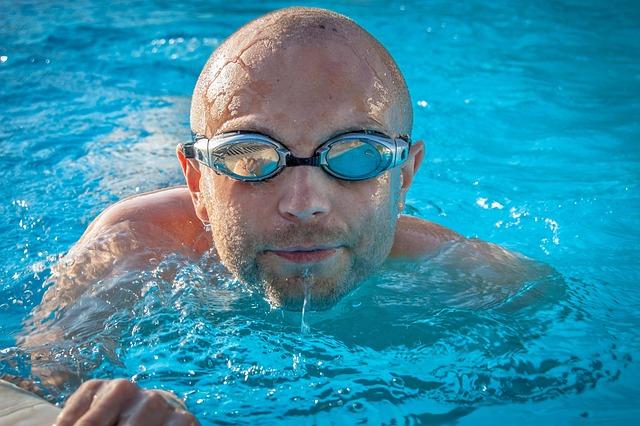
As competitive swimmers prepare to dive into the pool, a familiar sensation often bubbles up: pre-race nerves. While these jitters are commonly viewed as a hurdle, experts and athletes alike are increasingly recognizing their potential to enhance performance. Rather than succumbing to anxiety, swimmers can learn to harness this natural physiological response, turning nervous energy into a powerful tool for focus, motivation, and speed. This article explores how pre-race nerves, far from being a setback, can be strategically used to give swimmers a competitive edge.
Understanding the Science Behind Pre-Race Anxiety and Its Impact on Performance
Pre-race anxiety triggers a complex cascade of physiological responses designed to prepare the body for heightened activity. When a swimmer experiences these nerves, the body releases adrenaline and cortisol, hormones that elevate heart rate, sharpen focus, and increase muscle readiness. This fight-or-flight mechanism isn’t merely a reaction to stress but an evolutionary advantage allowing athletes to mobilize energy quickly. However, the key to harnessing pre-race anxiety lies in understanding how to channel these heightened states into controlled, purposeful energy rather than letting them spiral into debilitating stress.
Research shows that swimmers who learn to interpret their nerves as excitement rather than fear often experience better performance outcomes. This mental reframe enhances concentration and reaction time, both critical in competitive swimming. Techniques that help convert anxiety into performance boosters include:
- Visualization: Mentally rehearsing race scenarios to build confidence.
- Breath Control: Regulating breathing to mitigate excessive adrenaline effects.
- Positive Self-Talk: Encouraging affirmations to maintain a winning mindset.
| Reaction | Effect | Swimmer Benefit |
|---|---|---|
| Increased Heart Rate | Enhanced Oxygen Delivery | Boosted Endurance |
| Adrenaline Surge | Heightened Alertness | Improved Reaction Time |
| Elevated Cortisol | Increased Energy Availability | Greater Power Output |
Techniques to Harness Nervous Energy for Improved Focus and Speed
Channeling nervous energy into performance gains starts with recognizing it as a natural physiological response that primes the body for action. Instead of resisting the jittery sensations, swimmers can use controlled breathing techniques-such as box breathing or rhythmic inhalation and exhalation-to steady the mind and optimize oxygen flow to muscles. Incorporating dynamic stretching routines in the pre-race warm-up further converts excess energy into muscle readiness, enhancing speed off the blocks and smooth movements through the water. By reinterpreting adrenaline as fuel rather than fear, athletes can tip the scales from anxiety to enhanced alertness.
Visualization is another potent tool in mastering nervous energy. By mentally rehearsing each stroke and turn, swimmers create a detailed performance blueprint, reducing uncertainty and sharpening focus moments before the race begins. Here’s a quick guideline outlining effective practices to transform nerves into a competitive edge:
- Pre-race affirmations: Positive self-talk to build confidence.
- Progressive muscle relaxation: Systematic tensing and releasing to ease tension.
- Focused attention drills: Concentration exercises to block out distractions.
| Technique | Purpose | Impact on Race |
|---|---|---|
| Box Breathing | Calms the nervous system | Improved focus and control |
| Visualization | Enhances mental rehearsal | Sharper performance execution |
| Dynamic Stretching | Prepares muscles | Increased speed off start |
Expert Tips on Transforming Race-Day Jitters into Competitive Strength
Harnessing nervous energy before a swim race is not about trying to suppress these feelings but rather about channeling them into focus and power. Elite swimmers and sports psychologists alike emphasize the importance of reframing pre-race jitters as a sign of readiness. This mental shift transforms anxiety into heightened alertness, allowing athletes to sharpen their reflexes and sharpen their strategic thinking at the blocks. Simple techniques such as controlled breathing, visualization of the perfect start, and positive self-talk help regulate adrenaline surges and keep the mind anchored to the moment.
Moreover, preparation extends beyond physical training. Establishing a consistent pre-race routine turns the nerves into predictable signals that signal peak performance. Experts recommend including:
- Dynamic stretches to increase blood flow and ease muscle tension
- Mental rehearsals that simulate race scenarios to build confidence
- Music playlists tailored to elevate mood or calm anxiety
| Jitters Reaction | Competitive Advantage |
|---|---|
| Increased Heart Rate | Boosted Oxygen Delivery |
| Heightened Focus | Sharper Start Reaction Time |
| Elevated Adrenaline | Enhanced Power Output |
To Conclude
In harnessing the energy of pre-race nerves, swimmers can transform anxiety into an essential tool for peak performance. By recognizing these sensations as a natural and beneficial response, athletes gain a psychological edge that can sharpen focus and elevate their competitive drive. As the swimming season progresses, understanding and channeling pre-race nerves may be the difference between personal bests and missed opportunities-proving that sometimes, nerves aren’t a hurdle but a hidden advantage in the pool.