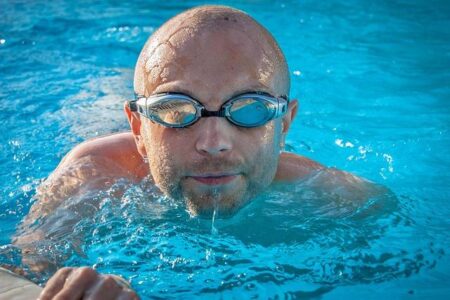


As athletes gear up for championship meets, maintaining peak physical condition is paramount-especially when travel disrupts regular routines. Fatigue and jet lag can undermine performance, making rest a critical component of pre-competition preparation. This article explores five essential strategies to ensure your body remains rested and ready to compete at its best, even amidst the challenges of travel.
Importance of Prioritizing Sleep Quality During Travel
Traveling to a championship meet can be exhilarating, but without proper rest, your performance might suffer. The quality of sleep you get on the road directly influences your energy levels, cognitive function, and muscle recovery. Unlike at home, unfamiliar environments can disrupt your usual sleep patterns, making it essential to be deliberate about creating conditions conducive to deep, restorative rest.
Inadequate sleep isn’t just about feeling tired; it impairs reaction times, decision-making, and overall stamina-critical factors in competitive settings. Consider adopting strategies such as:
- Bringing familiar items like a favorite pillow or blanket.
- Maintaining consistent sleep schedules despite time zone changes.
- Limiting exposure to screens and blue light before bedtime.
- Using earplugs or white noise to drown out unfamiliar sounds.
| Sleep Disruptors | Suggested Solution |
|---|---|
| Unfamiliar Bed | Travel pillow, mattress topper |
| Noise | Earplugs, white noise app |
| Light Pollution | Eye mask, blackout curtains |
Effective Strategies for Managing Jet Lag and Time Zone Changes
Adjusting your internal clock to new time zones is crucial for peak performance. To minimize the disruptive effects of jet lag, begin the process before you board your flight. Gradually shift your sleep and meal times closer to the destination schedule in the days leading up to departure. Upon arrival, maximize exposure to natural daylight during the morning to reset your circadian rhythm effectively. Avoid heavy meals and caffeine close to bedtime to promote quality rest and reduce grogginess.
Practical habits can enhance recovery and adaptation:
- Incorporate short naps (20-30 minutes) in the early afternoon, but avoid long daytime sleep that could hinder nighttime rest.
- Stay well hydrated by drinking plenty of water throughout your journey, steering clear of alcohol which dehydrates and worsens jet lag symptoms.
- Use light-blocking eye masks and earplugs to create a sleep-friendly environment, especially when sleeping in unfamiliar or noisy hotel rooms.
| Strategy | Benefit | Timing |
|---|---|---|
| Gradual Pre-Trip Schedule Shift | Reduces adjustment shock | 3-5 days before travel |
| Morning Sunlight Exposure | Synchronizes body clock | Upon arrival, each morning |
| Hydration & Avoiding Alcohol | Prevents dehydration fatigue | During and after flight |
Nutrition and Hydration Tips to Support Rest and Recovery
Maintaining optimal nutrition and hydration is crucial for athletes aiming to maximize recovery and sleep quality during the travel phase before a big competition. Prioritize balanced meals rich in complex carbohydrates, lean proteins, and healthy fats to fuel your muscles and stabilize blood sugar levels, which in turn supports deeper and more restorative sleep. Incorporate foods high in magnesium and potassium-such as bananas, spinach, and nuts-to aid muscle relaxation and reduce cramping. Avoid heavy, greasy meals or excess caffeine close to bedtime, as these can disrupt your natural sleep cycle and hinder recovery.
Hydration plays an equally vital role. Dehydration can impair cognitive functions, cause fatigue, and diminish overall performance, making consistent fluid intake non-negotiable during travel. Opt for water as your primary hydration source, complemented by electrolyte-rich beverages especially after long flights or intense pre-competition training. Keep handy a travel-size water bottle and aim to sip regularly throughout your journey. The table below outlines a simple hydration and nutrition checklist tailored for athletes en route to key meets:
| Nutrition Focus | Recommended Foods | Hydration Tips |
|---|---|---|
| Complex Carbs | Quinoa, sweet potatoes, oats | Drink 8-10 cups water daily |
| Lean Proteins | Chicken, fish, legumes | Include electrolyte drinks post-flight |
| Muscle Relaxation | Banana, spinach, almonds | Avoid caffeine 6 hours before sleep |
The Conclusion
Ensuring your body is well-rested before stepping onto the stage of a championship meet is paramount to peak performance. By implementing these five strategies-prioritizing quality sleep, maintaining proper nutrition, managing travel stress, staying hydrated, and incorporating light physical activity-you can help safeguard your energy and focus for the competition ahead. As athletes and coaches prepare for the challenges of travel, these actionable tips serve as essential tools to optimize rest and recovery, ultimately contributing to a successful championship experience.