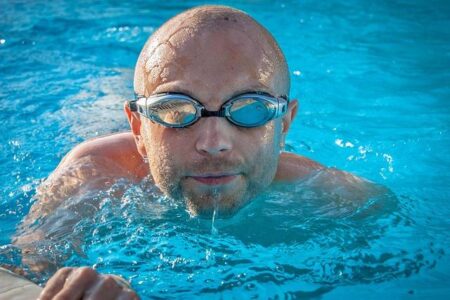
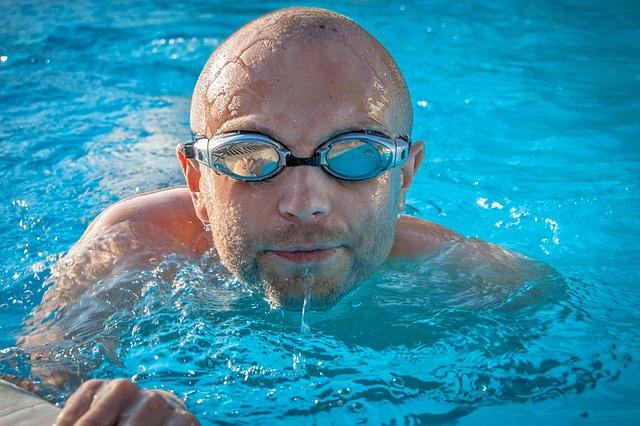
As swimming continues to surge in popularity both recreationally and competitively, the importance of selecting the right gear cannot be overstated. Among the essential accessories for any swimmer, goggles stand out as a critical piece of equipment that directly impacts comfort, performance, and eye protection. However, with a myriad of options available on the market, finding swimming goggles that truly fit can be a daunting task. This article explores key factors swimmers should consider to ensure a secure, comfortable, and leak-free fit, helping athletes and enthusiasts alike make informed choices in their pursuit of optimal swim experiences.
Understanding Face Shapes and Their Impact on Swimming Goggle Fit
The shape of your face plays a critical role in determining which swimming goggles will offer the best fit and comfort. Faces generally fall into basic categories such as oval, round, heart-shaped, and square, each demanding a slightly different goggle design to ensure a secure seal and avoid water leakage. For example, those with oval faces often benefit from most goggle styles due to the balanced proportions, while individuals with round faces might find angular or uniquely contoured frames provide a better, snugger fit.
Understanding your face shape not only improves comfort but can enhance your swimming performance by preventing distractions caused by fogging or slipping goggles. Here’s a quick guide to ideal frame styles by face shape:
- Oval: Most frame styles, especially medium-sized with curved edges
- Round: Angular or rectangular frames to add definition
- Heart-shaped: Frames that are wider at the bottom to balance the face width
- Square: Rounded frames to soften angular jawlines
| Face Shape | Recommended Goggle Frame | Fit Tip |
|---|---|---|
| Oval | Curved, medium-sized | Try multiple styles, most fit well |
| Round | Angular, rectangular | Secure fit around the temples |
| Heart-shaped | Wide-bottom frames | Focus on nose bridge comfort |
| Square | Rounded, soft edges | Adjust strap tension evenly |
Materials and Seal Designs That Ensure Comfort and Prevent Leakage
When selecting swimming goggles, the choice of materials plays a significant role in both comfort and functionality. High-quality silicone seals have become the industry standard due to their flexibility, durability, and skin-friendly properties. Unlike cheaper rubber alternatives, silicone molds easily to the contours of your face, reducing pressure points and preventing uncomfortable pinching. Additionally, goggles featuring memory foam seals provide enhanced cushioning, adapting to your facial structure for a secure yet gentle fit that minimizes irritation during long swim sessions.
The design of the seal itself is equally critical to avoid leaks that can disrupt your swim. Modern designs range from thin, low-profile seals that prioritize hydrodynamics to thicker, rounded seals optimized for seal integrity around the eye sockets. Consider the following features when evaluating seal designs:
- Double-Seal Technology: Offers an extra barrier to prevent water infiltration.
- Wide Flanges: Provide better coverage, especially helpful for wider or irregular face shapes.
- Ergonomic Contours: Follow natural bone structure to lock in tight fitting without discomfort.
| Seal Material | Comfort Level | Leak Prevention |
|---|---|---|
| Silicone | High | Excellent |
| Rubber | Medium | Fair |
| Seal Material | Comfort Level | Leak Prevention |
|---|---|---|
| Silicone | High | Excellent |
| Rubber | Medium | Fair |
| Memory Foam | Very High | Good |
If you’d like me to help with anything else-such as additional design tips, selecting goggles for specific face shapes, or maintenance advice-just let me know!
Expert Tips for Testing Fit Before You Buy to Avoid Common Mistakes
Before making a purchase, it’s essential to conduct a thorough fit test to ensure comfort and effectiveness. Start by pressing the goggles gently against your eye socket without using the strap. If the goggles create a natural suction and stay in place for a few seconds, they likely provide a good seal. Avoid relying solely on adjustable straps to hold the goggles tight; the frame should feel snug but not painful. Additionally, check for any pinching or gaps around the edges which could lead to water leakage during swimming sessions.
Pay close attention to the shape and size of the eye cups as well as the nose bridge, both of which significantly impact fit. Many brands offer interchangeable nose pieces to cater to different facial structures-testing these options can help find the perfect alignment. Use the quick guide below to identify common fit issues during your trial:
- Fogging: Indicates poor ventilation or an improper seal.
- Water Leakage: Often caused by wrong frame size or strap tension.
- Pressure Points: Signals a frame that is too tight or improperly shaped.
- Slipping: Usually a strap length or grip problem.
| Symptom | Likely Cause | Recommended Action |
|---|---|---|
| Fogging | Poor seal or ventilation | Try goggles with anti-fog coating and better vent design |
| Water Leakage | Incorrect frame size | Test smaller or larger frame, adjust strap tension |
| Discomfort/Pinching | Wrong nose piece or overly tight strap | Switch nose bridge, loosen strap slightly |
| Slipping Off | Improper strap length | Adjust or replace strap with better grip |
Closing Remarks
In choosing swimming goggles that truly fit, swimmers can enhance both comfort and performance in the water. By considering factors such as seal type, lens shape, strap adjustability, and personal facial features, individuals can find the perfect pair to suit their needs. As with any essential gear, investing time in selecting the right goggles not only prevents discomfort and leaks but also contributes to a more enjoyable and effective swimming experience. With these guidelines in hand, swimmers are better equipped to make informed choices and dive into the water with confidence.

A science journalist who makes complex topics accessible.
Related Posts