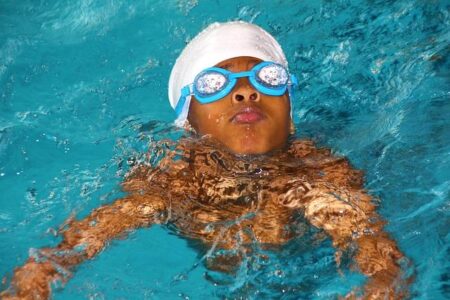


As women enter their 40s, maintaining optimal health becomes increasingly important amid shifting hormonal, metabolic, and musculoskeletal changes. Swimming, a low-impact yet highly effective form of exercise, is emerging as a powerful ally in supporting women’s well-being during this pivotal decade. In this article, Simply Swim explores how regular swimming routines can enhance cardiovascular fitness, strengthen muscles and bones, boost mental health, and aid in weight management for women over 40 – offering a comprehensive approach to staying healthy, active, and resilient.
The Cardiovascular Benefits of Swimming for Women Over 40
Regular swimming acts as a powerful ally in maintaining cardiovascular health for women over 40 by promoting heart strength and enhancing circulation. Unlike high-impact exercises, swimming offers a low-impact, full-body workout that helps increase heart rate while minimizing joint stress, making it ideal for women navigating changes in bone density and muscular strength. Engaging multiple muscle groups simultaneously, swimming fosters better oxygen flow throughout the body, which can help regulate blood pressure and reduce the risk of heart disease-a leading concern for women in this age group.
In addition to its direct impact on heart function, swimming also supports overall cardiovascular resilience through stress reduction and improved lung capacity. Women who swim regularly often experience lowered cortisol levels, which counteracts chronic stress-a known contributor to arterial inflammation. Below is a quick comparison of how different cardiovascular activities stack up for women over 40, underscoring the unique benefits of swimming:
| Activity | Impact on Joints | Heart Rate Elevation | Stress Reduction |
|---|---|---|---|
| Swimming | Low | Moderate to High | High |
| Running | High | High | Moderate |
| Cycling | Moderate | Moderate | Moderate |
| Walking | Low | Low | Low to Moderate |
- Boosts cardiovascular endurance without taxing the joints
- Enhances lung function through controlled breathing patterns
- Promotes mental well-being by lowering stress hormone levels
Strengthening Bones and Joints Through Regular Aquatic Exercise
Engaging regularly in water-based activities offers a unique blend of low-impact resistance essential for maintaining bone density and joint flexibility. The buoyancy of water reduces stress on the skeleton, allowing women over 40 to perform movements that might otherwise be painful on land. This gentle support helps prevent common issues such as osteoarthritis and osteoporosis from worsening, while promoting natural lubrication of the joints through controlled, rhythmic motion.
Beyond supporting skeletal strength, aquatic exercise stimulates muscle engagement across multiple groups simultaneously. The consistent resistance of water helps improve balance and coordination, critical factors in fall prevention. Key benefits include:
- Enhanced joint mobility through fluid, adaptable movements
- Reduced inflammation resulting from low-impact, repetitive exercise
- Improved bone remodeling stimulated by resistance against water pressure
| Exercise Type | Bone Impact | Joint Benefit |
|---|---|---|
| Swimming laps | Moderate | High mobility |
| Aqua aerobics | Low | Enhanced flexibility |
| Water walking | Low | Improved stability |
Tailored Swimming Routines to Boost Mental Health and Reduce Stress
Adapting swimming routines to align with mental health goals can significantly ease daily stress and enhance emotional wellbeing in women over 40. Incorporating breath control techniques, gentle strokes like backstroke or breaststroke, and mindful swimming intervals helps create a meditative experience that lowers anxiety levels. Experts emphasize the importance of pacing sessions to avoid overexertion while maintaining cardiovascular benefits, allowing the mind to enter a state of calm that carries over beyond the pool.
Customizing workouts with targeted approaches not only promotes relaxation but also stimulates the release of endorphins, nature’s mood lifters. Simple adjustments such as extending warm-up phases, adding floating exercises, or practicing slow, rhythmic kicks foster both physical and mental balance. Below is a quick reference table highlighting key elements of a stress-reducing swimming routine:
| Routine Component | Benefit | Recommended Duration |
|---|---|---|
| Controlled Breathing Drills | Reduces anxiety and improves focus | 5 minutes |
| Gentle Stroke Swimming | Promotes muscle relaxation | 20 minutes |
| Floating & Relaxation | Encourages mental calm and body awareness | 10 minutes |
- Consistency in routine maximizes long-term stress reduction.
- Incorporate mindfulness during sessions for greater emotional release.
- Pair swimming with post-workout stretching to maintain holistic benefits.
Key Takeaways
As more women over 40 seek effective ways to maintain their health and well-being, swimming emerges as a powerful, low-impact exercise that supports cardiovascular fitness, joint mobility, and mental clarity. Simply Swim’s exploration into this aquatic activity highlights not only its physical benefits but also its capacity to foster community and resilience. For women looking to embrace a balanced, healthy lifestyle after 40, diving into the pool might just be the refreshing change they need.