

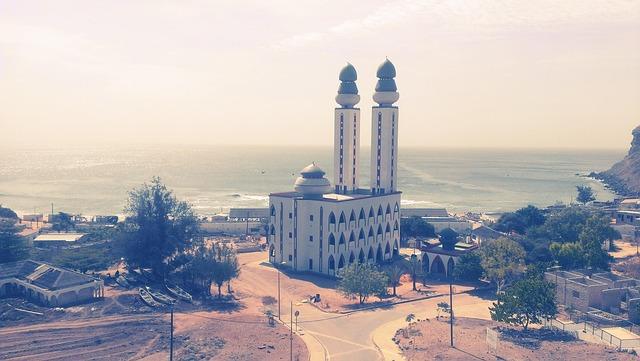
As the countdown begins for the Dakar 2026 Youth Olympic Games, a surprising trend has emerged on the global sporting stage: the absence of many of the world’s leading athletic powerhouses. Despite the event’s growing prestige and its role as a launching pad for young talent, several top-ranking nations have chosen not to participate. This development raises questions about the factors influencing these decisions and what it means for the future of youth sports competition on the Olympic level. In this article, we delve into why the major sporting nations are sitting out Dakar 2026 and explore the implications for the Youth Olympic movement.
Dakar 2026 Economic and Political Challenges Behind the Absence of Leading Olympic Powers
The road to Dakar 2026 has been marred by a complex nexus of economic constraints and political maneuvering that deterred several top-tier Olympic nations from participating. Budgets tightened as inflation rates soared across key sporting economies, forcing national committees to reprioritize funding amidst ongoing global economic instability. This financial strain is compounded by geopolitical tensions that have led to diplomatic hesitations and strategic withdrawals. As a result, some of the world’s most dominant sporting powers chose to forgo the Youth Olympic Games, citing concerns over logistical costs and international relations rather than athletic aspirations alone.
Beyond economics and politics, operational challenges in hosting the event have played a pivotal role. Questions regarding infrastructure readiness, athlete safety, and equitable competition conditions have surfaced repeatedly. These issues, combined with a broader political climate marked by shifting alliances, have led to a cautious approach from several Olympic committees. Below is an overview of the primary factors influencing the withdrawal decisions:
- Budgetary limitations: Reduced government and private sponsorship
- Geopolitical conflicts: Diplomatic strains affecting travel and cooperation
- Logistical concerns: Infrastructure and accommodation challenges in Dakar
- Safety regulations: Health and security protocols amid regional uncertainties
| Country | Main Reason for Withdrawal |
|---|---|
| United States | Budgetary constraints and pandemic-related travel concerns |
| China | Political tensions and strategic prioritization of other events |
| Germany | Infrastructure and safety concerns |
| Australia | Combined economic and health protocol challenges |
The Impact of Youth Sports Development Programs on Participation Trends in the Youth Olympic Games
The evolution of youth sports development programs has significantly influenced participation patterns in the Youth Olympic Games, yet some of the traditionally dominant sporting nations remain conspicuously absent at Dakar 2026. These powers often allocate resources towards elite training environments focused on senior-level competitions, inadvertently creating a gap in grassroots and youth-oriented initiatives. Meanwhile, emerging nations with strategic investments in inclusive developmental frameworks are steadily reshaping the global competitive landscape, engaging more young athletes who might not have previously seen the Youth Olympics as an attainable goal.
Key factors contributing to these shifting participation trends include:
- Enhanced Access to Training Facilities: Countries increasing youth access to quality venues foster broader athlete bases.
- Structured Talent Identification Systems: Modern scouting techniques help detect promise early, focusing efforts on potential Youth Olympians.
- Collaboration Between Schools and Sports Federations: Creating seamless pathways encourages consistent youth engagement.
- Government and Private Sector Partnerships: These bolster funding and resource distribution to youth programs.
| Country | Youth Sports Budget (2023, USD millions) | Youth Olympic Participation Rate (%) |
|---|---|---|
| Kenya | 15 | 85 |
| USA | 42 | 60 |
| Brazil | 20 | 75 |
| France | 30 | 55 |
| South Africa | 12 | 80 |
Strategies to Encourage Greater Involvement of Top Nations in Future Youth Olympic Events
To bridge the gap between the world’s leading sporting nations and their participation in future Youth Olympic Games, tailored engagement strategies must be prioritized. This includes increasing dialogue with National Olympic Committees (NOCs) from top-ranking countries to understand their unique reservations-whether logistical, financial, or developmental. Beyond understanding concerns, offering enhanced support packages such as subsidized travel costs, access to advanced training facilities, and mentorship programs can reduce barriers and incentivize these nations to commit resources and athletes. Additionally, aligning the event calendar with their domestic competition schedules can prevent clashes and encourage stronger athlete delegations.
Furthermore, the International Olympic Committee (IOC) and event organizers should expand the promotion of the Youth Olympics as a critical stepping stone for elite athlete development. Showcasing success stories through immersive storytelling campaigns and digital platforms can emphasize the tangible benefits the games provide-not just for participants but for national sports programs. Key elements to consider include:
- Customized athlete outreach to spotlight emerging talents from powerhouse nations
- Increased media visibility within those countries to build public enthusiasm
- Collaborative workshops involving coaches, athletes, and federation officials
| Strategy | Primary Benefit | Target Audience |
|---|---|---|
| Subsidized Participation | Lower financial burden | NOCs with budget constraints |
| Flexible Scheduling | Improved athlete availability | Elite athletes juggling multiple events |
| Media Campaigns | Increased public support | National sports fans and media |
In Summary
As Dakar prepares to host the 2026 Youth Olympic Games, the absence of some of the world’s leading sporting nations raises important questions about the event’s global appeal and the future of youth sports development. While the reasons behind their non-participation are multifaceted-ranging from logistical challenges to strategic priorities-this dynamic sets the stage for a unique competition that could redefine the Olympic spirit for a new generation. How Dakar and the International Olympic Committee address these issues in the coming years will be critical in shaping the legacy and inclusivity of the Youth Olympic movement.