
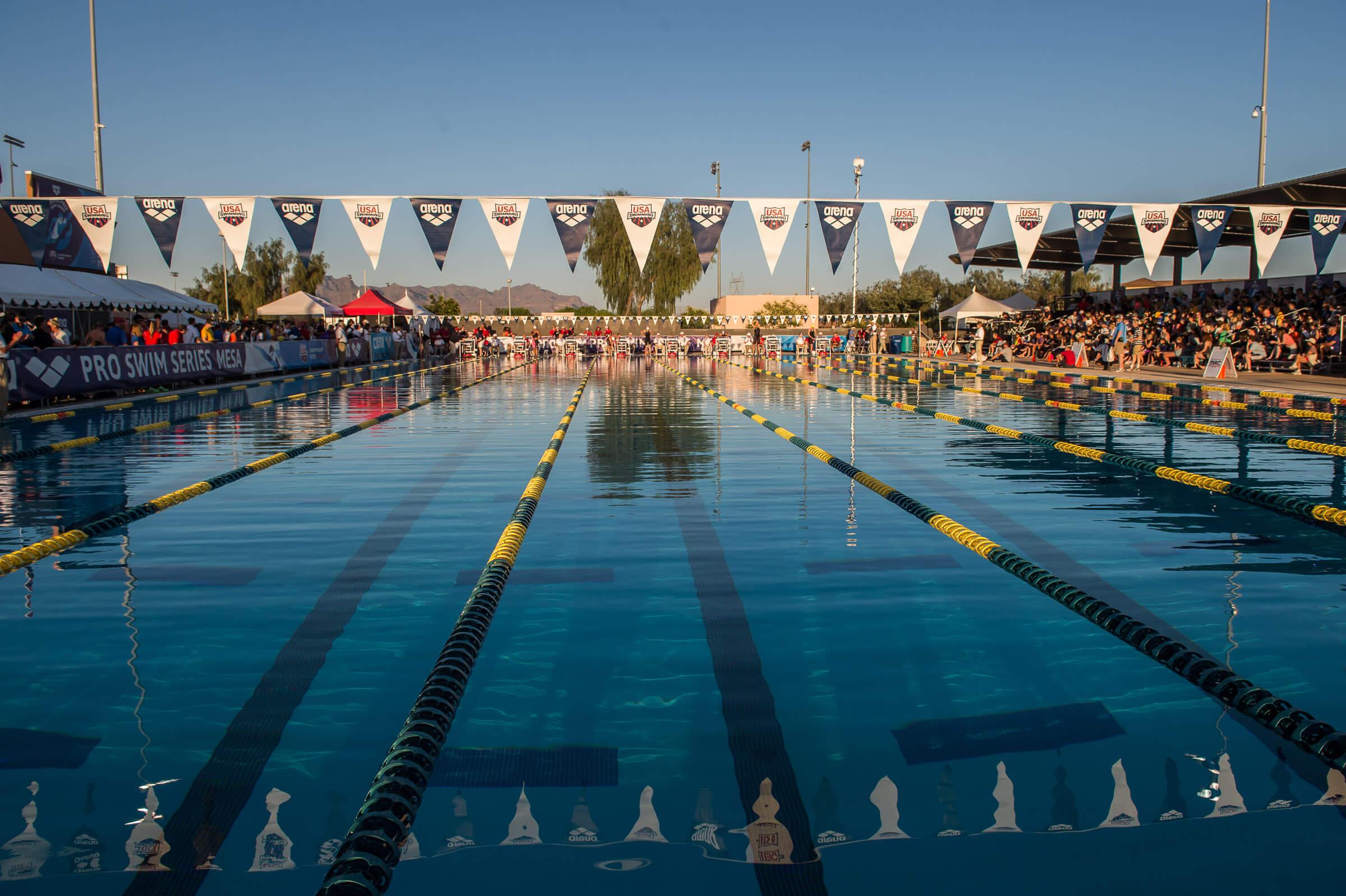
As long course swimming gains popularity among competitive swimmers and fitness enthusiasts alike, mastering the unique challenges of the 50-meter pool has become essential. Unlike short course pools, long course swimming demands greater endurance, pacing, and technique. In this article, we explore five expert-backed tips designed to help swimmers improve their performance and stamina in long course events, ensuring they stay ahead in the water.
Enhancing Endurance Through Strategic Interval Training
Maximizing endurance in long course swimming hinges on the intelligent use of interval training. By interspersing high-intensity efforts with recovery periods, swimmers can push their bodies to adapt and improve cardiovascular efficiency. This approach not only boosts stamina but also enhances swimming economy, allowing for faster speeds without excessive fatigue. Swimmers are encouraged to vary the lengths and intensities of intervals to target different energy systems, from aerobic base building to anaerobic capacity.
Key strategies include:
- Consistent Variation: Change interval distances regularly to challenge your muscles and prevent plateaus.
- Controlled Recovery: Optimize rest periods to balance exertion and recovery, promoting effective adaptation.
- Technique Focus: Maintain form during intense efforts to avoid injury and improve efficiency.
- Progressive Overload: Gradually increase intensity or volume to continually advance endurance capacity.
| Interval Type | Duration | Intensity | Recovery |
|---|---|---|---|
| Short Sprints | 25-50m | Max effort | 1:2 work:rest ratio |
| Threshold Sets | 100-200m | Moderate to high | Equal work and rest |
| Long Intervals | 400-800m | Steady pace | Short rest (15-30s) |
Optimizing Stroke Efficiency for Open Water Conditions
Open water swimming challenges traditional stroke mechanics by introducing variables like waves, currents, and changing visibility. To maintain efficiency, stroke length must be maximized while minimizing wasted energy. Swimmers should focus on a smooth, controlled catch phase, ensuring each pull engages core muscles rather than relying solely on arm strength. Adjusting your tempo to the water conditions-slowing during choppy stretches and accelerating in calmer waters-can conserve energy for the final push.
Maintaining a steady breathing rhythm is equally crucial. Instead of a fixed bilateral pattern, adapt your breathing side based on wave impact and sun position, helping preserve a streamlined body alignment. Using a high elbow catch combined with a strong early vertical forearm maximizes propulsion. The table below offers a quick comparison of efficient stroke adjustments for various open water conditions:
| Condition | Stroke Adjustment | Breathing Strategy |
|---|---|---|
| Calm Water | elongated glide & deep catch | Bilateral breathing |
| Waves | quicker turnover & shorter pull | Breath away from waves |
| Currents | stronger pull & increased kick | Adjust side to current direction |
Mastering Breathing Techniques to Maintain Steady Pace
In long course swimming, controlling your breath is as critical as your stroke technique. Establishing a consistent breathing rhythm helps maintain oxygen flow to your muscles, preventing early fatigue and ensuring energy reserves last through every lap. Focus on a steady inhale-exhale cycle aligned with your arm movements to sustain momentum and avoid unnecessary strain. Experiment with bilateral breathing to enhance symmetry and balance in your stroke, ultimately contributing to a more efficient swim.
In addition to rhythm, mindful breath management can improve your pacing strategy. Avoid shallow or rapid breathing, which can lead to dizziness or premature exhaustion. Instead, adopt deep, controlled breaths that maximize oxygen intake. The table below outlines an effective breathing pattern for novice and intermediate swimmers aiming to optimize endurance across varying distances:
| Distance | Breathing Pattern | Focus |
|---|---|---|
| 400m | Inhale every 3 strokes | Establish consistency |
| 800m | Inhale every 5 strokes | Maintain oxygen balance |
| 1500m+ | Inhale every 7 strokes | Conserve energy |
- Practice breathing drills regularly during training to build muscle memory.
- Stay relaxed to prevent tension, which restricts breathing efficiency.
- Coordinate breath timing with your strokes for seamless movement in water.
Wrapping Up
Mastering long course swimming requires dedication, strategy, and consistent practice. By incorporating these five essential tips-from pacing and technique refinement to effective hydration and mental preparation-swimmers can enhance their endurance and performance in the pool. Whether training for competition or personal achievement, staying committed to these guidelines will help ensure success in long course events. Stay tuned for more expert insights as the swimming season continues.