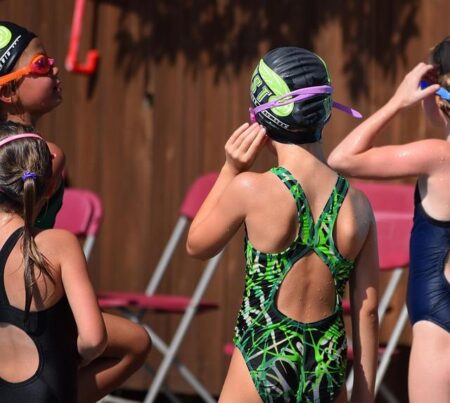

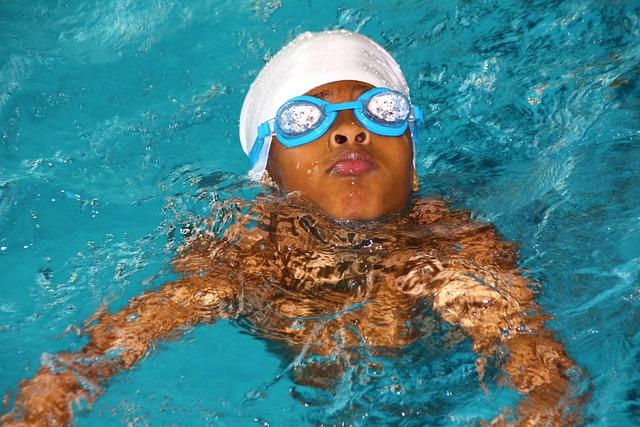
Swimming caps have long been a staple of aquatic sports, but beyond their practical use lies a fascinating intersection of psychology and performance. As swimmers don these sleek pieces of gear, subtle psychological factors come into play-impacting confidence, focus, and even identity in the pool. Recent studies and expert insights reveal how the simple act of wearing a swimming cap can influence mindset, athlete behavior, and competitive edge. This article dives into the psychology behind swimming caps, exploring how this everyday accessory shapes not only physical but also mental dynamics in the water.
The Role of Comfort and Fit in Enhancing Swimmer Performance
Optimal comfort and precise fit are not mere luxuries but fundamental elements that can significantly elevate a swimmer’s performance. A cap that fits snugly without causing discomfort allows athletes to focus entirely on their stroke technique and race strategy, eliminating distractions caused by constant adjustments or irritation. Additionally, a comfortable cap reduces drag by maintaining a streamlined profile, enabling faster movement through the water. Swimmers who suffer from ill-fitting caps often experience micro-disruptions in their rhythm, which cumulatively hinder their overall efficiency and timing.
Beyond comfort, the psychological advantage of a well-fitted cap cannot be overstated. Athletes often report feeling more confident and mentally prepared when their gear complements their needs flawlessly. The synergy between physical comfort and mental readiness can be mapped in the following:
- Enhanced focus: No distractions from discomfort.
- Increased confidence: Feeling “race-ready” promotes mental edge.
- Consistency: Reliable wear reduces pre-race anxiety.
- Performance boost: Streamlined fit optimizes hydrodynamics.
| Aspect | Impact on Swimmer |
|---|---|
| Cap Tension | Balance between snug and tight for comfort & speed |
| Seam Positioning | Minimized drag, prevents irritation |
| Material Flexibility | Adapts to head shape, ensures lasting fit |
| Thermal Regulation | Maintains optimal temperature, reduces fatigue |
How Color and Design Influence Mood and Motivation in the Pool
Colors wield a powerful influence over swimmers’ emotional states, directly impacting their motivation and performance in the pool. Vibrant hues like electric blue and fiery red are known to evoke energy and excitement, helping athletes feel more alert and competitive. Conversely, softer tones such as pastel greens and calming lavenders can promote relaxation and focus, ideal for training sessions emphasizing technique and endurance. This psychological interplay is why many competitive swimmers carefully select caps that not only represent their team but also psychologically bolster their mindset before diving in.
The design of a swimming cap goes beyond aesthetics; it can act as a subtle motivational cue. Caps featuring dynamic patterns like waves, lightning bolts, or even personalized logos create a sense of identity and belonging, which boosts confidence. Additionally, minimalist designs that emphasize sleekness and speed appeal to swimmers aiming for precision and efficiency. Consider the following table which outlines common design elements and their psychological effects:
| Design Element | Psychological Effect | Ideal Use |
|---|---|---|
| Bold, bright colors | Increases energy and aggression | Competitive races |
| Cool shades | Enhances calmness and focus | Endurance training |
| Dynamic patterns | Fosters motivation and team spirit | Team events |
| Simple, sleek design | Evokes precision and speed | Time-trial swims |
- Color choices can prepare the mind for physical exertion or relaxation.
- Designs serve as both personal expression and psychological triggers.
- Combining color and pattern strategically enhances overall performance attitude.
Expert Tips for Choosing the Right Swimming Cap to Boost Confidence
Choosing the ideal swimming cap goes beyond aesthetics-it’s a psychological boost in the water. Opt for materials that balance comfort and functionality, such as silicone for a snug, water-resistant fit, or latex for a lightweight feel. Consider colors wisely: vibrant shades can amplify visibility and energy, fueling self-assurance, while darker tones exude sleek professionalism and focus. Fit is paramount; a cap that’s too tight may cause discomfort and distraction, while a loose one can create drag and frustration, both detrimental to mental clarity and confidence during training or competition.
Expert swimmers recommend evaluating the following factors before making a choice:
- Material type: Silicone for durability, latex for flexibility, lycra for breathability.
- Fit and size: Customized caps minimize irritation and maximize hydrodynamics.
- Color psychology: Choose hues that foster calmness or stimulation as needed.
- Design elements: Smooth or textured finishes can influence water flow and confidence.
| Cap Material | Psychological Advantage | Recommended Use |
|---|---|---|
| Silicone | Builds confidence with secure fit | Competitive swimming |
| Latex | Lightweight comfort reduces distractions | Training sessions |
| Lycra | Breathability improves mood and focus | Casual swimming |
To Wrap It Up
In understanding the psychology of swimming caps, it becomes clear that these simple accessories carry significance far beyond their practical use. From fostering a sense of identity and boosting confidence to influencing performance and social dynamics in the pool, swimming caps reveal much about the intersection of sport and human behavior. As swimmers continue to don these colorful markers of individuality and function, the cap remains a subtle yet powerful symbol beneath the surface of the water.