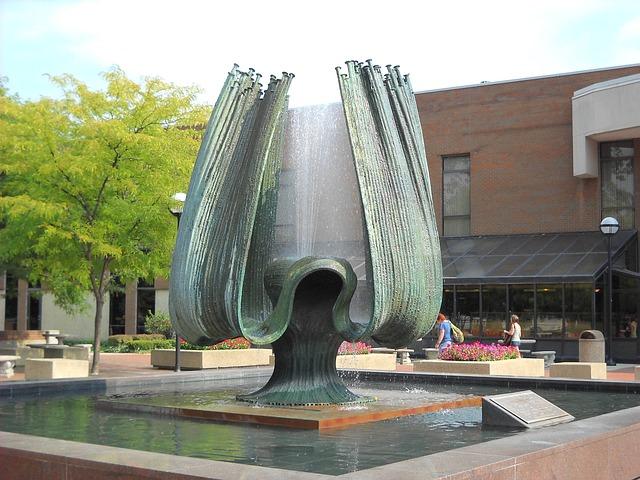
Marshall University has announced the reinstatement of its women’s swim and dive program, marking a significant development for the university’s athletics department. The decision comes after a period of suspension, reflecting the institution’s commitment to expanding opportunities for female student-athletes. This move has been met with enthusiasm from the campus community and swimming enthusiasts alike, signaling a renewed investment in competitive collegiate swimming at Marshall.
Marshall University Revives Women’s Swim and Dive Program After Years of Hiatus
After a significant break, the women’s swim and dive program at Marshall University is making a remarkable comeback, signaling a renewed commitment to aquatic athletics on campus. The university has outlined ambitious plans to recruit top-tier talent and invest in state-of-the-art training facilities, aiming to elevate the program’s competitive edge within Conference USA. The reinstatement not only provides opportunities for female student-athletes but also enriches the overall athletic culture at Marshall, which has seen growing enthusiasm for water sports in recent years.
Key highlights of the revival include:
- Appointment of an experienced coaching staff with national recognition
- Enhanced scholarship packages to attract elite swimmers and divers
- Upgrades to aquatic facilities, including pool renovations and training equipment
- Strategic scheduling to compete in major collegiate swim meets across the region
| Season | Projected Meets | Scholarships Offered |
|---|---|---|
| 2024-2025 | 10 | 12 |
| 2025-2026 | 12 | 15 |
| 2026-2027 | 14 | 18 |
Strategic Plans and Funding Sources Behind the Program’s Reinstatement
Central to the reinstatement of Marshall University’s women’s swim & dive program was a meticulously crafted strategic plan that balanced competitive ambitions with financial sustainability. The university’s Athletic Department collaborated with key stakeholders, including alumni, local businesses, and the student body, to develop a roadmap that emphasizes long-term growth and community engagement. Priorities included expanding athletic scholarships, modernizing training facilities, and recruiting high-caliber coaching staff – all designed to position the program for success in mid-major collegiate swimming.
Funding sources were diversified to ensure stability and reduce reliance on a single revenue stream. The financial framework incorporated:
- Alumni donations: Bolstered by targeted fundraising campaigns celebrating the program’s legacy, contributing nearly 40% of initial capital.
- Corporate sponsorships: Partnered with regional companies to secure naming rights and branded events.
- University budget realignment: Redirected portions of existing funds toward athletic program investments, emphasizing Title IX compliance.
- Community events and merchandising: Designed to engage fans and generate additional revenue.
| Funding Source | Percentage of Initial Funds | Primary Use | |||||||||||||||
|---|---|---|---|---|---|---|---|---|---|---|---|---|---|---|---|---|---|
| Alumni Donations | 40% | Scholarships & Scholarships | |||||||||||||||
| Corporate Sponsorships | 30% | Facility Upgrades It looks like the table you provided is incomplete and the “Primary Use” for Corporate Sponsorships is cut off. Based on the context, I can help reconstruct or complete the table for you. Here’s a cleaned-up and completed version of the funding breakdown: | Funding Source | Percentage of Initial Funds | Primary Use | If you want the exact phrasing or if you need help with another part of your content, please let me know! Recommendations for Building Competitive Success and Enhancing Athlete SupportTo foster a culture of competitive excellence, it is crucial for the program to integrate comprehensive training regimens that prioritize both physical conditioning and mental resilience. Emphasizing individualized coaching approaches will not only maximize athletic potential but also reduce the risk of injuries. Additionally, strategic scheduling of competitions against a diverse range of opponents can create invaluable experience, preparing athletes for high-pressure meets on the national stage. Collaborations with sports science experts and nutritionists should become a foundational element in shaping an elite swim and dive team. Beyond athletic performance, building a supportive environment for student-athletes is essential. Implementing robust academic assistance programs, mental health resources, and peer mentorship opportunities will ensure holistic development. Enhanced communication channels between coaches, athletes, and support staff foster transparency and trust, contributing to sustained motivation. Key components include:
To ConcludeThe reinstatement of Marshall University’s women’s swim and dive program marks a significant milestone for the institution and its athletic community. As the Thundering Herd prepares to dive back into competition, athletes and supporters alike look forward to the renewed opportunities and growth this program promises. With recruitment underway and preparations in motion, Marshall University is set to make a splash once again in the collegiate swimming and diving landscape.  Jackson Lee A data journalist who uses numbers to tell compelling narratives. Related Posts    Add A Comment |