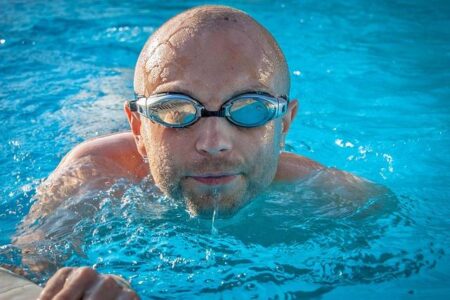

As the colder months set in and outdoor play becomes limited, parents often face the challenge of keeping their children physically active. Indoor swim lessons have emerged as a popular solution, providing a safe and engaging environment for kids to stay moving throughout winter. Experts highlight that beyond teaching essential water safety skills, swimming offers a full-body workout that boosts cardiovascular health, builds strength, and improves coordination. With community pools and swim schools adapting to meet demand, indoor swim lessons are making waves as a year-round activity that promotes both fitness and fun during the coldest season.
Benefits of Indoor Swim Lessons for Physical and Mental Health During Winter
Indoor swim lessons during the colder months offer a dynamic way for children to maintain peak physical health when outdoor activities are limited. Swimming engages nearly every muscle group, promoting strength, endurance, and cardiovascular fitness without the harsh impact on joints common in other sports. The controlled indoor environment ensures consistent practice unaffected by weather, helping kids build stamina and flexibility through a fun, low-risk activity that keeps their bodies moving and energized throughout winter.
Beyond the physical advantages, regular swim lessons contribute significantly to mental well-being. The rhythmic nature of swimming encourages relaxation and stress reduction, while social interaction with peers and instructors fosters confidence and emotional resilience. Parents and educators often observe improvements in mood, focus, and sleep patterns among children who participate, making indoor swimming not just an exercise routine, but a holistic approach to winter wellness.
- Enhanced cardiovascular health
- Muscle strength & joint flexibility
- Improved mood and reduced anxiety
- Consistent activity regardless of weather
- Boosted social skills and confidence
| Physical Benefit | Mental Benefit |
|---|---|
| Improves lung capacity | Increases focus & concentration |
| Builds coordination & balance | Reduces symptoms of stress |
| Boosts metabolism | Encourages positive social interaction |
Expert Tips for Choosing the Right Indoor Swim Program for Your Child
When selecting an indoor swim program for your child, prioritize facilities that offer certified instructors with specialized training in pediatric swim education. Look for programs that maintain a low student-to-teacher ratio, as personalized attention drastically improves skill development and water safety awareness. Additionally, ensure the pool environment is clean, well-heated, and equipped with modern safety features. Programs that provide progressive skill assessments can help parents track improvement and tailor lessons to their child’s individual pace.
Consider these key factors to make a well-informed choice:
- Curriculum Variety: Programs combining stroke techniques, breath control, and water confidence build a well-rounded swimmer.
- Flexible Scheduling: Winter routines can be hectic, so classes that accommodate different days and times reduce stress for families.
- Parental Involvement: Some programs encourage parent participation, which enhances learning and comfort for younger children.
- Trial Classes: Opt for programs offering introductory sessions to gauge your child’s reaction and instructor style.
| Program Feature | Benefits |
|---|---|
| Small Group Sizes | Better attention; increased safety |
| Heated Indoor Pools | Comfortable year-round swimming |
| Certified Instructors | Expert guidance; injury prevention |
| Flexible Class Times | Convenient for busy families |
| Parent Observation Areas | Encourages engagement; peace of mind |
Creating a Consistent Winter Activity Routine with Swimming in Mind
Maintaining a steady activity schedule during the colder months can be challenging, but incorporating swimming lessons ensures children remain physically and mentally engaged. Swimming is a low-impact, full-body workout that enhances cardiovascular health, builds muscle strength, and improves flexibility-all within a temperature-controlled indoor environment. This consistent regimen combats the winter blues and keeps youngsters energized despite the shorter daylight hours and chilly weather outside.
Key benefits of establishing a winter swim routine include:
- Building endurance and lung capacity in a controlled setting
- Encouraging discipline with set lesson times
- Providing social interaction opportunities to boost mood
- Supporting motor skills development even during off-season sports breaks
| Activity | Recommended Frequency | Primary Benefit |
|---|---|---|
| Indoor Swim Lessons | 2-3 times/week | Cardio & Muscle Tone |
| Dryland Conditioning | 1-2 times/week | Flexibility & Strength |
| Family Swim Time | Weekly | Social & Emotional Wellness |
Future Outlook
As winter’s chill sets in and outdoor activities become limited, indoor swim lessons emerge as a vital resource for keeping children physically active and engaged. Beyond promoting cardiovascular health and muscle strength, these lessons offer a structured environment that fosters confidence and social interaction. For parents seeking a reliable way to combat seasonal inactivity, indoor swimming programs provide a compelling solution that supports both physical well-being and emotional development throughout the colder months. As communities continue to emphasize the importance of year-round activity, indoor swim lessons stand out as a practical and effective choice for maintaining children’s health all winter long.