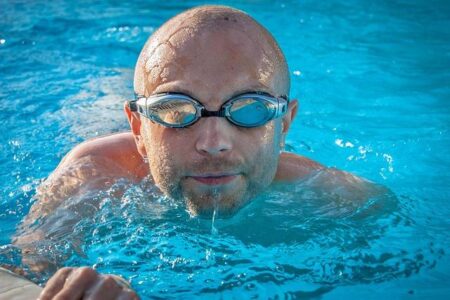


Swimming has long been celebrated not just as a popular recreational activity but as a powerful tool for enhancing athletic performance and overall health. Recent studies and expert insights now reveal the extensive benefits this low-impact, full-body workout offers for building strength, improving cardiovascular endurance, and accelerating recovery-all critical elements for athletes striving for peak condition. As more sports professionals incorporate swimming into their training regimens, understanding its real health advantages is becoming essential for anyone looking to boost performance while reducing injury risk. This article explores the science-backed reasons why swimming is emerging as a cornerstone of modern athletic conditioning.
The Cardiovascular Advantages of Swimming for Enhanced Athletic Performance
Swimming offers a dynamic cardiovascular workout that enhances heart health by consistently challenging the heart and lungs to perform efficiently. Unlike many land-based exercises, swimming combines aerobic endurance with resistance training, which promotes a balanced increase in cardiac output and stroke volume. This means that with regular swimming sessions, athletes can experience improved blood circulation, reduced resting heart rates, and higher oxygen uptake capacity-all critical factors for endurance and recovery during intense physical activity.
Increased cardiovascular efficiency through swimming results in multiple athletic advantages:
- Enhanced aerobic capacity, enabling longer, more intense training sessions
- Lower risk of vascular-related injuries due to improved blood flow
- Improved lung capacity and breathing control under physical stress
| Cardiovascular Benefit | Impact on Athletic Performance |
|---|---|
| Increased Stroke Volume | More efficient heart pumping, better endurance |
| Reduced Resting Heart Rate | Improved recovery and less fatigue |
| Enhanced Oxygen Uptake | Greater stamina and energy management |
How Swimming Builds Muscular Strength and Endurance Without Impact Stress
Swimming uniquely activates nearly every major muscle group due to the resistance offered by water, turning each stroke into a full-body strength exercise. Unlike weightlifting or running, where impact can cause joint wear and injuries, the buoyant environment of water supports the body, allowing muscles to work harder without excessive strain. This means athletes can develop both muscular strength and endurance simultaneously, enhancing overall performance and resilience.
The benefits extend beyond just muscle activation. Water provides constant resistance, which varies with speed and stroke intensity, encouraging continuous muscle engagement and improved stamina. Some key elements that make swimming effective for muscular development include:
- Controlled resistance: Water’s density slows movement, enabling strength gains without the need for heavy weights.
- Low joint impact: Water buoyancy significantly reduces stress on bones and connective tissue.
- Balanced muscle toning: All limbs and core muscles are involved, preventing imbalances and reducing injury risk.
| Muscle Group | Swimming Benefits | Impact on Joints |
|---|---|---|
| Upper Body (arms, shoulders) | Builds strength & endurance through constant pull resistance | Minimal strain due to fluid motion |
| Core | Enhances stability and balance with rotational strokes | Supports spine without compression |
| Lower Body (legs, hips) | Strengthens propulsion muscles via kick drills | Reduces impact stress compared to running |
Incorporating Swimming into Training Regimens The Best Practices for Optimal Results
Integrating swimming into athletic training offers a low-impact alternative that enhances cardiovascular endurance while minimizing strain on joints and muscles. For optimal results, athletes should focus on structured sessions that balance different swimming strokes, emphasizing technique and controlled breathing. Incorporating interval training-alternating between sprints and recovery laps-boosts metabolic efficiency, while steady-state swims build aerobic capacity. Prioritizing warm-ups and cooldowns in the pool ensures muscles remain flexible and reduces injury risks associated with sudden exertion.
Maximize gains by adhering to these key practices:
- Schedule swimming workouts 2-3 times weekly to complement land-based training.
- Use swimming as active recovery after intense strength or endurance sessions.
- Incorporate drills to improve stroke mechanics and overall efficiency.
- Track progress with distance and time benchmarks tailored to athlete goals.
| Training Focus | Session Type | Recommended Duration |
|---|---|---|
| Endurance | Continuous steady pace | 30-45 minutes |
| Speed | Intervals & sprints | 20-30 minutes |
| Recovery | Light swimming & drills | 15-20 minutes |
Concluding Remarks
In conclusion, swimming stands out not only as a powerful full-body workout but also as a sustainable, low-impact exercise that supports long-term athletic health. From enhancing cardiovascular endurance to promoting muscle strength and joint flexibility, the real health benefits of swimming make it an invaluable tool for athletes seeking to elevate their performance while minimizing injury risks. As more sports professionals incorporate swimming into their training regimes, its reputation as a cornerstone of athletic conditioning continues to grow-proving that the pool is more than just a place to cool off; it’s a vital arena for building stronger, healthier athletes.