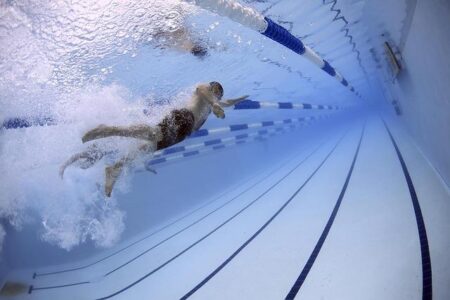


Australian swimming sensation Kyle Chalmers has announced a temporary pause in his training regimen as he addresses a persistent back injury. The Olympic gold medalist, known for his powerful sprinting prowess in the pool, is prioritizing recovery to ensure long-term fitness and performance. This development comes ahead of key upcoming competitions, raising questions about the impact on his competitive schedule and prospects.
Kyle Chalmers Prioritizes Recovery After Diagnosed Back Injury
Kyle Chalmers, one of Australia’s premier swimming talents, has announced a pause in his intensive training regimen after being diagnosed with a back injury that requires careful management. Medical experts have advised a period of rest combined with targeted physiotherapy to ensure complete recovery and prevent any long-term issues that could impact his performance in upcoming competitions. Throughout this recovery phase, Chalmers is focusing on rehabilitation exercises that emphasize strengthening his core and improving spinal mobility, all while avoiding any undue strain.
- Rest Duration: Estimated 4-6 weeks
- Therapy Focus: Physiotherapy and light strength training
- Competitive Impact: Potential delays in national meets
- Support: Full backing from coaching staff and sports medicine team
| Recovery Step | Purpose | Expected Outcome |
|---|---|---|
| Rest & Immobilization | Reduce inflammation and pain | Pain relief and healing |
| Physiotherapy | Restore mobility and strength | Improved function and flexibility |
| Gradual Training Return | Rebuild endurance & technique | Safe return to peak performance |
Impact of Training Hiatus on Upcoming Competitions and Team Dynamics
The unexpected training break for Kyle Chalmers due to his back injury presents multifaceted challenges for both his upcoming competitions and the national swim team’s overall cohesion. With key events approaching, the absence of Chalmers’ regular presence in water sessions could affect his performance rhythm and conditioning levels, potentially altering race strategies formulated by coaching staff. The hiatus may lead to a necessary recalibration of goals, focusing on recovery and sustainable progress rather than immediate peak performance.
From a team dynamics perspective, the void created by Chalmers’ temporary withdrawal prompts teammates to step up, highlighting the depth of Australian swimming talent. This shift can foster increased motivation but also introduces new pressure on emerging athletes to fill competitive roles usually anchored by the star swimmer. Coaches and support staff will prioritize maintaining morale and communication, emphasizing:
- Collaborative training adaptations to accommodate Kyle’s condition while keeping team continuity
- Enhanced psychological support aimed at managing expectations across the squad
- Strategic distribution of leadership responsibilities among senior swimmers
| Impact Area | Potential Outcome |
|---|---|
| Chalmers’ Conditioning | Temporary dip in endurance and speed |
| Team Leadership | Increased roles for senior swimmers |
| Competition Strategy | Focus on tactical racing over raw power |
| Team Morale | Mixed emotions, requiring active reinforcement |
Expert Recommendations for Athletes Managing Back Injuries During Intensive Training
Specialists emphasize the importance of a carefully structured recovery plan for athletes coping with back injuries during periods of heavy training. Incorporating rest intervals, targeted physical therapy, and adapted workout routines can significantly reduce the risk of exacerbating the injury. Elite sports medicine professionals recommend prioritizing core strengthening exercises and flexibility drills to support spinal integrity without placing undue strain on vulnerable areas. Additionally, biomechanical assessments help identify and correct movement patterns that may contribute to recurring pain or muscle imbalance.
To effectively manage back injuries, athletes should adhere to a multidisciplinary approach, integrating nutritional support and stress management techniques alongside physical rehabilitation. The following checklist outlines key strategies endorsed by experts:
- Consistent monitoring: Regular consultations with physiotherapists and sports doctors.
- Customized training: Modifications that reduce impact and rotational stresses.
- Pain management: Safe use of anti-inflammatory treatments and alternative therapies.
- Gradual intensity progression: Avoid sudden spikes in training load and volume.
- Posture optimization: Emphasis on ergonomic techniques during all athletic movements.
| Recovery Phase | Focus Areas | Recommended Activities |
|---|---|---|
| Acute | Inflammation control, pain relief | Rest, ice therapy, gentle stretching |
| Subacute | Mobility restoration, basic strengthening | Physical therapy, low-impact cardio |
| Rehabilitation | Muscle balance, endurance building | Core workouts, swimming, Pilates |
| Return to Training | Performance optimization, injury prevention | Progressive resistance training, sport-specific drills |
In Retrospect
As Kyle Chalmers steps away from the pool to focus on recovery, the Australian swimming community and fans worldwide will be closely monitoring his progress. With his talent and determination, there is optimism that Chalmers will make a strong return to competitive form once his back injury has healed. For now, his priority remains rest and rehabilitation, underscoring the importance of athlete health in high-performance sport.