

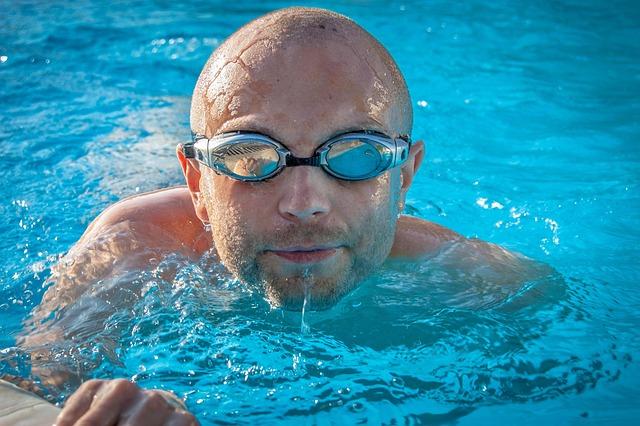
In the world of swimming, a reliable pair of goggles is more than just an accessory-it’s essential gear that protects your eyes and enhances your performance. Yet, despite their importance, many swimmers find themselves replacing goggles frequently due to scratches, fogging, or loss of elasticity. As the cost of quality goggles continues to rise, knowing how to extend their lifespan has become a priority for both casual swimmers and professionals alike. This article explores seven simple but effective care tips that can help you make your swimming goggles last longer, saving you money and ensuring crystal-clear vision in every swim.
Proper Cleaning Techniques to Prevent Lens Damage
Maintaining the clarity and integrity of your swimming goggles hinges on how you clean them after each use. Avoid using abrasive materials or strong chemicals as they can strip away the anti-fog coating and scratch the lenses. Instead, rinse your goggles gently with fresh, cool water immediately after swimming to remove chlorine, salt, and debris. Use your fingertips to softly dislodge stubborn particles; never rub the lenses with a towel or cloth, which can cause irreversible damage.
Follow these simple practices to keep your lenses pristine:
- Rinse with fresh water only, without soap or detergents.
- Air dry goggles upside down on a soft surface to avoid scratches.
- Store them in a protective case away from direct sunlight.
- Resist touching the inner lens to preserve anti-fog treatments.
| Do’s | Don’ts |
|---|---|
| Rinse with cool fresh water | Use paper towels to dry lenses |
| Air dry in shade | Expose to direct heat or sun |
| Store in a soft case | Throw loosely in swim bag |
| Handle lenses gently | Rub lenses aggressively |
Storing Swimming Goggles Safely to Avoid Scratches and Deformation
To maintain your swimming goggles in pristine condition, it’s essential to store them properly. After each swim, rinse the goggles with fresh water to remove chlorine, salt, and debris, then let them air dry completely to prevent moisture buildup, which can lead to mold or unpleasant odors. Avoid placing goggles directly into your swim bag or pockets where they can be easily scratched or crushed. Instead, use a dedicated protective case-preferably a hard or semi-hard shell-to shield the lenses from damage and preserve the integrity of the silicone seals.
Consider these storage tips to keep your goggles safe and functioning optimally:
- Use a microfiber pouch for scratch resistance and breathability
- Keep straps untangled to prevent deformation
- Avoid exposure to direct sunlight when stored, to prevent material degradation
- Store in a cool, dry place to extend the lifespan of rubber and plastic components
| Storage Method | Benefit | Recommended For |
|---|---|---|
| Hard Case | Excellent lens protection | Frequent swimmers and travelers |
| Microfiber Pouch | Scratch prevention; easy to clean | Casual use and daily storage |
| Zip-lock Bag | Water resistance; avoids dust | Temporary storage after rinsing |
Choosing the Right Materials and Features for Enhanced Durability
Material selection plays a pivotal role in extending the lifespan of your swimming goggles. Opt for goggles made from high-quality silicone or thermoplastic rubber as they offer greater flexibility and resistance to wear and tear compared to basic plastic frames. Lenses with anti-fog and scratch-resistant coatings not only enhance visibility but also protect the goggles against daily damage caused by chlorine, saltwater, and rough handling. Additionally, look for features such as UV protection to shield your eyes-and the goggles themselves-from sun damage, which can degrade materials over time.
When assessing durability, consider adjustable parts carefully. A sturdy, easy-to-adjust strap made of reinforced silicone ensures a snug, comfortable fit without stretching out or snapping. Features like one-click buckle systems or clip-on nose bridges allow for quick customization while minimizing mechanical stress points that can cause breakage. Below is a comparison table highlighting popular material options and their key durability traits:
| Material | Durability | Comfort | Resistance to Elements |
|---|---|---|---|
| Silicone | High | Very Comfortable | Chlorine, UV |
| Thermoplastic Rubber | Medium-High | Comfortable | Saltwater, UV |
| Basic Plastic | Low | Less Comfortable | Limited Resistance |
In Retrospect
By following these seven simple care tips, swimmers can significantly extend the lifespan of their goggles, ensuring clearer vision and greater comfort in the pool. Proper maintenance not only saves money but also enhances safety by preserving the integrity of the lenses and seals. As swim season continues, experts emphasize that a little attention to your gear goes a long way-helping athletes of all levels stay focused and perform at their best.