

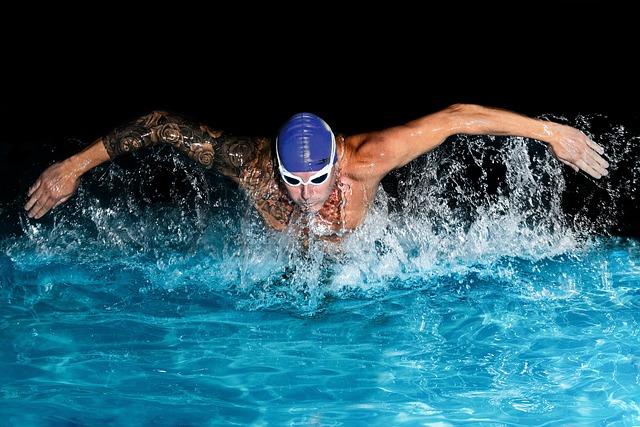
As summer approaches and swimming lessons become a priority for many families, not every child has immediate access to a pool. Fortunately, there are effective swimming techniques kids can practice independently-without ever getting wet. From breath control exercises to stroke simulations on dry land, these methods help build confidence, coordination, and muscle memory. This article explores practical, safe ways for children to develop their swimming skills at home, ensuring they stay prepared and motivated until they can dive in for real.
Dryland Drills That Build Core Strength and Enhance Stroke Mechanics
Strengthening the core is essential for kids looking to improve their swimming efficiency, especially when practicing on land. Simple exercises such as plank variations, hollow holds, and Russian twists can be done anywhere, requiring no special equipment. These moves target the abdominal muscles, lower back, and obliques, all vital in maintaining a streamlined body position in the water. Developing this foundation not only boosts power but also enhances balance and coordination, which directly translate into smoother, more controlled strokes.
In addition to core strengthening, certain mobility and resistance drills help refine stroke mechanics outside the pool. For example, using resistance bands to mimic arm pulls strengthens the muscles involved in freestyle and backstroke while ingraining proper movement patterns. Incorporating bodyweight movements like Superman holds encourages spinal extension, vital for butterfly and breaststroke kicks. Below is a concise guide to some recommended dryland drills, categorized by their primary focus:
| Drill | Focus | Benefits |
|---|---|---|
| Forearm Plank | Core Stability | Improves midline control and balance |
| Resistance Band Pulls | Stroke Strength | Enhances pulling muscles and arm motion |
| Superman Hold | Back Extension | Supports strong dolphin kicks and posture |
| Russian Twists | Oblique Strength | Promotes rotational power for efficient strokes |
Visualization Techniques to Improve Breathing and Timing
Mastering the rhythm of breathing and stroke timing can transform a young swimmer’s efficiency and endurance, even when practiced away from the water. One effective approach is to use mental imagery-encouraging kids to visualize the entire breathing cycle as a smooth, continuous motion. By imagining the head turning just enough to the side to inhale and then settling back down into the water, children can internalize the perfect timing without rushing or holding their breath too long. This mental rehearsal sharpens coordination between strokes and breathing, helping them anticipate each breath and sync it seamlessly with their arm movements.
Incorporating simple physical drills alongside visualization can enhance understanding and embodiment of these concepts. Kids can practice these timed breathing patterns by combining controlled exhale exercises and arm movements on land, guided by a simple rhythm or metronome. Below is a quick-reference table of recommended exercises for improving breath control and timing at home:
| Exercise | Description | Duration |
|---|---|---|
| Box Breathing | Inhale, hold, exhale, hold (each for 4 seconds) | 3 minutes |
| Arm Swing with Breath | Swing arms side-to-side while practicing breath turns | 5 minutes |
| Metronome Beats | Breathe in/out timed to beats, simulating stroke rhythm | 4 minutes |
Using Everyday Objects to Simulate Water Resistance and Boost Endurance
Transforming everyday household items into resistance tools can effectively mimic the sensation of moving through water, providing an excellent way for your child to boost swimming endurance without stepping into a pool. Simple objects like stretched-out rubber bands, plastic bags filled with air, or even handheld fans can create opposing forces during arm and leg movements. Practicing slow, controlled strokes against this resistance not only strengthens the muscles used in swimming but also enhances coordination and breath control – crucial elements for any young swimmer’s development.
Incorporating these tools into a regular training routine can be straightforward and fun. Here’s a quick guide to creating your own at-home resistance setup:
- Rubber Band Drags: Loop a thick rubber band around your child’s wrists and have them stretch their arms forward, then push against the band’s resistance.
- Plastic Bag Sprints: Inflate a plastic bag slightly and hold it while performing flutter kicks to feel the drag.
- Fan Paddle Drill: Use a handheld fan to create airflow opposing forward hand movements, simulating water resistance.
| Item | Resistance Level | Targeted Movement |
|---|---|---|
| Rubber Band | Medium | Arm strokes |
| Plastic Bag | Light | Leg kicks |
| Handheld Fan | Adjustable | Arm reach and pull |
The Conclusion
Incorporating these independent swimming techniques into your child’s routine not only builds confidence but also reinforces essential water safety skills-all without the need for a pool. As children practice these exercises at home or in open spaces, parents can be assured that valuable muscle memory and proper form are being developed ahead of actual swimming lessons. With consistent effort and creativity, kids can make meaningful progress in their aquatic abilities anytime, anywhere.