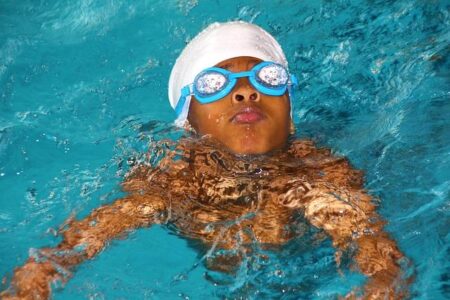


As youth swimming continues to surge in popularity, coaches and parents alike are seeking effective ways to enhance young athletes’ performance beyond the pool. Dryland exercises-targeted physical training conducted out of the water-have emerged as a vital component in developing strength, coordination, and injury prevention among swimmers of all ages. This article presents an age-by-age guide to dryland workouts designed specifically for young swimmers, offering practical strategies to build better, more resilient athletes from the very first strokes to competitive levels.
Dryland Conditioning Essentials for Preschool Swimmers Building Strength and Coordination in Elementary Age Athletes Tailoring Flexibility and Core Workouts for Teenage Swimmers
For the youngest swimmers just starting out, keeping dryland exercises simple and engaging is key. Activities that promote basic motor skills – such as hopping, skipping, and balancing games – build the foundation for future swim-specific strength and coordination. Incorporating playful exercises with equipment like soft balls and small cones not only captures their attention but also enhances hand-eye coordination and agility. Short sessions focusing on fun movement patterns help prevent burnout and encourage a lifelong love of physical activity. It’s important that these sessions are supervised and emphasize gentle, natural movements over resistance or intensity.
As swimmers progress into their elementary years, their bodies become ready for more structured strength-building routines. Exercises geared towards core stability, upper and lower body strength, and balance become vital. Tools such as resistance bands, medicine balls, and bodyweight circuits can be introduced safely within age-appropriate limits. Below is a quick overview of recommended dryland focus areas ordered by age group:
| Age Group | Key Focus Areas | Sample Exercises |
|---|---|---|
| Preschool (3-5 yrs) | Motor skills, balance, coordination | Animal walks, obstacle courses, ball toss |
| Elementary (6-10 yrs) | Strength, balance, agility | Bodyweight squats, balancing on beams, resistance band pulls |
| Teenagers (11-17 yrs) | Flexibility, core strength, mobility | Planks, dynamic stretching, Pilates-inspired workouts |
Key Takeaways
Incorporating dryland exercises tailored to each age group offers young swimmers a strategic advantage in developing strength, coordination, and endurance beyond the pool. As this age-by-age guide highlights, structured off-water training not only enhances athletic performance but also fosters lifelong fitness habits crucial for growth and injury prevention. Coaches, parents, and athletes alike are encouraged to integrate these targeted routines into regular swim training, ensuring a well-rounded approach that builds better swimmers from the ground up. As youth swimming continues to evolve, embracing comprehensive conditioning programs remains key to unlocking young athletes’ full potential.