
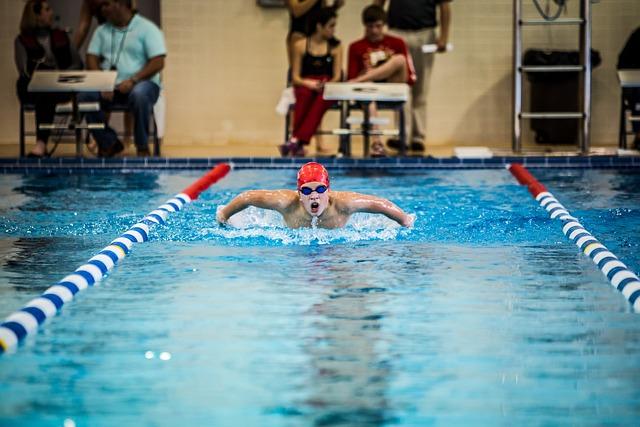
Swimmers aiming to shave precious seconds off their butterfly times are increasingly turning their attention to body position-a critical factor often overlooked in training. Mastering the optimal bodyline can significantly enhance propulsion and reduce drag, making each stroke more efficient and powerful. In this article, we delve into the best drills designed to improve butterfly body position, helping athletes of all levels achieve faster, smoother, and more effective butterfly swimming. Coaches and swimmers alike share insights on techniques that can transform performance in the pool.
Mastering Core Engagement for Optimal Butterfly Body Position
Unlocking the power of a strong core is essential for swimmers striving to perfect their butterfly technique. Efficient core engagement stabilizes the torso, allowing for a fluid, undulating motion that conserves energy while maximizing propulsion. Swimmers who master this skill demonstrate a seamless connection between their upper and lower bodies, maintaining an optimal bodyline that reduces drag and improves stroke efficiency. Incorporating exercises that isolate the transverse abdominis and obliques will not only enhance postural control but also prevent common pitfalls like excessive hip sinking and premature fatigue.
To develop this vital strength, focus on drills that promote active core recruitment without compromising flexibility. Some of the most effective include:
- Vertical flutter kicks: Performed in deep water, these engage the core as swimmers maintain balance.
- Superman holds: On a bench or mat, these build spinal stability crucial for the butterfly’s undulation.
- Bodyline planks with arm reach: Enhances dynamic core control relevant to stroke timing and symmetry.
| Drill | Primary Focus | Duration |
|---|---|---|
| Vertical Flutter Kicks | Pelvic Stability | 30 sec x 3 sets |
| Superman Holds | Spinal Control | 20 sec x 4 sets |
| Bodyline Planks | Dynamic Core Strength | 40 sec x 3 sets |
Techniques to Maintain Streamlined Alignment in Butterfly Stroke
Achieving a perfectly aligned bodyline in butterfly swimming is crucial for minimizing drag and maximizing propulsion. One effective way to maintain this streamlined posture is by engaging the core muscles consistently throughout the stroke cycle. Swimmers should focus on keeping their hips elevated close to the water surface, preventing the lower body from sinking, which disrupts the flow. Incorporating drills such as the horizontal dolphin kick with a kickboard held at arm’s length can develop this awareness. Additionally, practicing with a single-arm butterfly stroke while keeping the non-stroking arm extended ahead sharpens coordination and enforces proper spinal alignment.
Another key technique is refining the head position to ensure it remains neutral and slightly forward-facing during the glide phase. Overextending the neck or tucking it too deeply disturbs the balance, increasing resistance. Swimmers often benefit from mirror drills or underwater video feedback to correct this subtle but vital detail. Below is a helpful breakdown of core alignment cues that reinforce streamlined positioning:
| Focus Area | Key Cue | Drill Suggestion |
|---|---|---|
| Hips & Legs | Keep hips near the water surface | Horizontal dolphin kick with kickboard |
| Core Engagement | Maintain tight abdominal muscles | Single-arm butterfly stroke |
| Head Position | Neutral neck; forward gaze | Mirror drills or video feedback |
Top Drills to Enhance Hip and Shoulder Coordination for Speed
Building seamless coordination between hips and shoulders is crucial for maximizing speed and fluidity in the butterfly stroke. Focused drills that emphasize synchronized movement patterns can significantly enhance this connection. One effective exercise is the Hip-Shoulder Rotation Drill, where swimmers perform butterfly kicks while consciously rotating their hips and shoulders in unison. This drill highlights the body’s natural rotation rhythm, promoting efficient propulsion and reducing drag. Additionally, incorporating sculling motions during these rotations helps refine the subtle adjustments needed for powerful yet controlled arm recovery.
Another powerful approach involves the integration of dynamic balance and timing exercises. For instance, the Vertical Flutter Kick with Shoulder Pauses compels swimmers to stabilize their shoulders while maintaining hip-driven kicking speed. This builds neuromuscular control, critical for swift transitional phases in the stroke cycle. Below is a quick reference table summarizing key drills and their targeted benefits:
| Drill | Primary Focus | Benefit |
|---|---|---|
| Hip-Shoulder Rotation Drill | Rotational Sync | Enhances propulsion efficiency |
| Vertical Flutter Kick with Shoulder Pauses | Stability & Timing | Builds neuromuscular control |
| Sculling with Hip Drive | Fine-Tuned Adjustments | Improves arm recovery fluidity |
To Conclude
Mastering the butterfly stroke requires more than just powerful arm movements and kick timing-it demands a streamlined body position that minimizes drag and maximizes propulsion. Incorporating targeted bodyline drills into training routines offers swimmers a practical pathway to refine their technique and swim faster. As athletes continue to prioritize these foundational elements, the future of butterfly swimming looks poised for new records and greater efficiency in the water. Coaches and swimmers alike are encouraged to embrace these drills, as improved body position remains a key factor in unlocking peak butterfly performance.