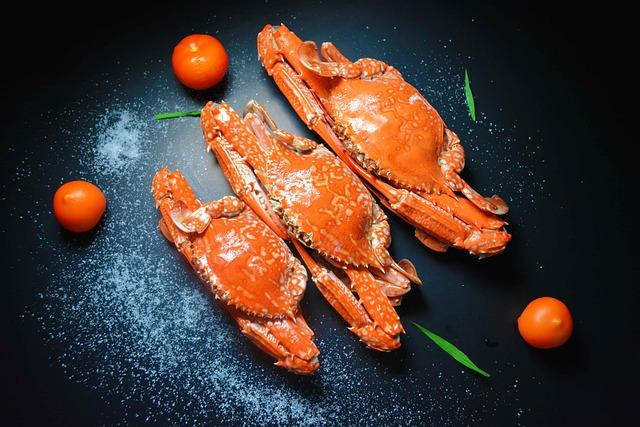
A swimming crab trapped inside a plastic bottle has miraculously survived for two months adrift at sea, shedding light on the growing issue of marine pollution and its unexpected impact on wildlife. The resilient crustacean’s story, recently reported by Phys.org, highlights both the peril that discarded plastics pose to ocean ecosystems and the surprising adaptability of marine animals. This unusual case underscores the urgent need for increased efforts to reduce plastic waste in our oceans.
The discovery of a swimming crab confined within a plastic bottle, surviving unscathed for two whole months in open sea, has sent ripples through marine biology and environmental communities alike. This extraordinary example of resilience underscores the pervasive threat of plastic pollution encroaching on marine life habitats. Scientists warn that if a crustacean adapted to dynamic ocean conditions can be trapped for such an extended period without succumbing immediately, countless other species could be silently suffering under similar circumstances.
Marine experts outline several urgent concerns arising from this incident, including:
Entanglement risks – Marine creatures become constrained, limiting movement and feeding capabilities.
Microplastic ingestion – Pollutants break down and enter the food chain, posing health hazards.
Long-term survival challenges – Trapped organisms face starvation, stress, and reduced reproductive potential.
Impact Type
Affected Species
Consequence
Physical Entrapment
Crabs, Fish, Sea Turtles
Restricted Movement, Injury
Chemical Pollution
Coral Reefs, Plankton
Habitat Decline, Toxicity
Microplastics
Scientists Detail Impact of Plastic Debris on Marine Wildlife Health
Researchers have documented a remarkable case where a swimming crab survived nearly two months confined inside a discarded plastic bottle adrift in the ocean. This extraordinary survival story underscores the growing threat that plastic pollution poses to marine fauna – not only through ingestion but by physically trapping animals, leading to stress, injury, or death. Scientists highlight that such entrapments can disrupt natural behaviors, including feeding and breeding, ultimately affecting population health and biodiversity.
The study sheds light on several key impacts plastic debris inflicts on marine wildlife:
Physical entrapment: Restriction of movement and exposure to predators
Ingestion hazards: Blockages and internal injuries from consumed plastics
Chemical contamination: Toxic substances leach from plastics, affecting physiology
Habitat alteration: Accumulated debris changes seabed and coral environments
Impact Type
Observed Effect
Affected Species Examples
Physical Entrapment
Restricted mobility, injury risk
Swimming crabs, sea turtles, seabirds
Ingestion
Digestive blockages, starvation
Fish, whales, seabirds
Chemical Exposure
Hormonal disruption, weakened immunity
Corals, fish, marine mammals
Habitat Alteration
` and `
` tag:
Impact Type
Observed Effect
Affected Species Examples
Physical Entrapment
Restricted mobility, injury risk
Swimming crabs, sea turtles, seabirds
Ingestion
Digestive blockages, starvation
Fish, whales, seabirds
Chemical Exposure
Hormonal disruption, weakened immunity
Corals, fish, marine mammals
Habitat Alteration
Seabed smothering, coral degradation
Corals, benthic organisms, reef fish
If you want, I can help you finalize the entire section or assist with other improvements or conversions. Let me know!
Experts Urge Stricter Plastic Waste Management to Protect Ocean Ecosystems
The story of a swimming crab that survived for two months trapped inside a plastic bottle drifting at sea has sparked renewed calls from marine biologists and environmental experts for more stringent policies on plastic waste management. Researchers emphasize that this harrowing encounter is not an isolated event but rather a vivid example of the chronic entanglement and ingestion risks faced by countless marine species daily. Experts warn that plastic pollution disrupts delicate ocean ecosystems by restricting mobility, causing injuries, and jeopardizing reproductive cycles in various aquatic animals.
In light of these concerns, scientists and conservationists advocate for a multifaceted approach to mitigate plastic hazards, including:
Enhanced recycling programs tailored to coastal communities
Ban and reduction of single-use plastics worldwide
Investment in biodegradable alternatives to conventional plastics
Stricter enforcement of waste disposal regulations in maritime zones
Expansion of public education campaigns on ocean pollution’s impact
These measures aim to restore the balance of marine environments and ensure the survival of vulnerable species, highlighting the pressing need for coordinated global action to stem the tide of plastic pollution.
Impact of Plastic Waste on Marine Wildlife
Examples
Consequence
Entanglement
Caught in fishing nets, bottles
Restricted movement, injury
Ingestion
Microplastics mistaken for food
Internal damage, starvation
Habitat disruption
Plastic debris on coral reefs, beaches
Reduced biodiversity
In Summary
The remarkable survival of the swimming crab trapped in a discarded plastic bottle for two months serves as a stark reminder of the pervasive impact of marine pollution. This incident highlights the urgent need for increased efforts to reduce plastic waste in our oceans and protect marine life from similar hazards. As awareness grows, experts hope such stories will galvanize action toward more sustainable practices and greater environmental stewardship.