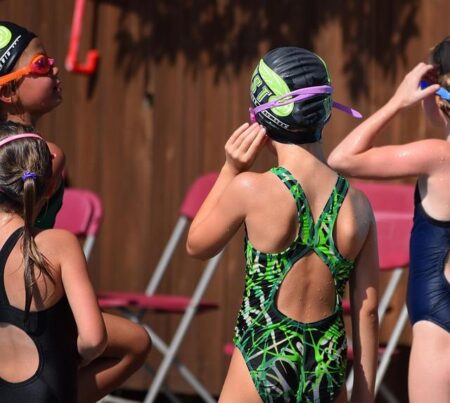

In today’s competitive landscape, teaching children how to navigate both victory and defeat is more important than ever. Group swim lessons are emerging as a valuable arena where young participants learn not only essential aquatic skills but also crucial emotional lessons about winning and losing. Beyond the pool, these classes offer a unique social environment that fosters resilience, sportsmanship, and teamwork-qualities that extend well beyond the confines of the swim lane. This article explores how group swim lessons contribute to children’s emotional development by helping them handle both triumphs and setbacks with grace.
The Role of Social Dynamics in Building Emotional Resilience During Group Swim Lessons
Within the lively environment of group swim lessons, children discover that their peers are navigating similar challenges, fostering a unique social dynamic that underpins emotional resilience. These interactive settings provide a natural platform for kids to experience the fluidity of success and setbacks in real time. Through shared encouragement and constructive feedback, children learn to celebrate their victories with humility and view losses as opportunities for growth rather than failure. This peer-driven support system is integral, as it diminishes feelings of isolation during tough moments and strengthens a collective spirit of perseverance.
Key social elements shaping resilience during group swim lessons include:
- Mutual encouragement that boosts confidence and reduces performance anxiety
- Observation and imitation of peers’ coping strategies after setbacks
- Healthy competition that teaches measurable goal-setting and emotional regulation
- Instant social feedback helping kids calibrate feelings of pride and disappointment
| Social Interaction | Emotional Benefit | Observed Impact |
|---|---|---|
| Peer cheers after completion | Boosts self-esteem | Increased motivation to try challenging tasks |
| Group discussions about mistakes | Normalizes failure | Faster emotional recovery and learned resilience |
| Friendly competition in drills | Teaches emotional regulation | Improved coping skills in stressful moments |
Teaching Healthy Competition Through Structured Group Activities
Structured group swim activities are more than just physically engaging sessions; they cultivate a mindset that balances ambition with humility. As children race to the finish or aim to perfect their stroke alongside peers, they naturally encounter moments of triumph and defeat. These experiences are carefully guided by instructors who emphasize respect and encouragement, creating an environment where every child learns to value effort over simply winning. This emphasis nurtures resilience and emotional intelligence, teaching kids that setbacks are stepping stones rather than barriers.
Key elements of these activities include:
- Team Relays: Promoting collaboration and shared success.
- Skill Challenges: Encouraging personal progress alongside competitive spirit.
- Positive Reinforcement: Celebrating effort and good sportsmanship equally.
- Reflection Sessions: Discussing outcomes to understand emotions tied to winning and losing.
| Activity Type | Focus | Benefit |
|---|---|---|
| Group Sprints | Speed and fun | Learning grace in victory |
| Buddy Drills | Cooperation | Supportive competition |
| Stroke Challenges | Technique | Handling frustration constructively |
Practical Tips for Parents to Reinforce Positive Mindset from Swim Class Experiences
Parents play a crucial role in helping children translate their swim class experiences into lasting life skills. After each lesson, engage your child in conversations about what went well and where they felt challenged. Emphasize effort over outcome, reinforcing that progress is more valuable than perfection. Use phrases like “I’m proud of how hard you tried” or “Every swim stroke gets you closer to your goal” to nurture resilience. Additionally, celebrate small victories openly at home to bolster confidence, while gently guiding your child to understand losses as natural steps in growth rather than failures.
Incorporate practical habits that support a positive mindset by modeling emotional regulation yourself. When kids see parents calmly processing disappointments, they’re more likely to mirror those responses. Consider these parenting strategies to keep motivation high and self-esteem intact:
- Set realistic expectations aligned with your child’s age and skill level.
- Encourage peer support by organizing playdates with swim classmates to extend camaraderie beyond the pool.
- Use visual trackers-like charts or journals-to log progress and celebrate consistency.
- Frame setbacks as learning opportunities, asking what lessons the child can take forward.
| Tip | Action | Positive Outcome |
|---|---|---|
| Recognize Effort | Praise attempts, not just success | Builds perseverance |
| Normalize Mistakes | Share stories of adults overcoming failures | Reduces fear of loss |
| Visual Progress | Create sticker charts | Increases motivation |
| Peer Encouragement | Plan group swim hangouts | Strengthens social skills |
Key Takeaways
In the competitive world of youth sports, group swim lessons offer more than just aquatic skills-they provide a vital platform for children to learn how to navigate both victories and setbacks. By fostering a supportive environment where peers share successes and challenges, these lessons help young swimmers build resilience, sportsmanship, and emotional maturity. As educators and parents continue to seek balanced approaches to childhood development, group swim classes stand out as a promising avenue for teaching kids that handling wins and losses is as important as the lessons learned in the pool.