

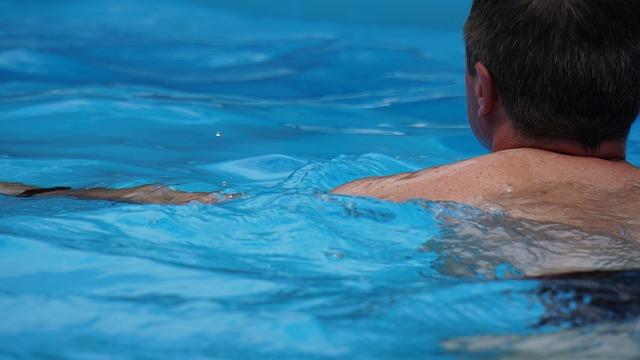
As temperatures rise and outdoor pools and beaches beckon, many Britons are taking to the water to cool off and enjoy the summer months. However, the season of swimming fun also brings a common yet often underestimated health risk: swimmer’s ear. This painful ear infection, caused by water trapped in the ear canal, affects thousands across the UK every year. In this article, UKNow explores practical tips and expert advice to help swimmers of all ages protect themselves from swimmer’s ear, ensuring that summer splashing remains a safe and enjoyable experience.
Preventing Swimmer’s Ear The Importance of Drying Ears Thoroughly After Swimming Best Practices for Maintaining Ear Hygiene During Summer Water Activities
Keeping your ears dry after a swim is crucial in preventing swimmer’s ear, a common and painful condition caused by water lingering in the ear canal. After exiting the pool or sea, gently dry your ears using a soft towel or cloth, tipping your head to help water escape. Avoid inserting cotton buds or fingers, as these can irritate or damage the delicate ear canal skin. For quick drying, consider using a hairdryer set on the lowest, coolest setting, held at a safe distance to avoid burns. Maintaining this routine immediately after water exposure reduces moisture buildup and creates an environment less hospitable to bacterial growth.
Incorporating good ear hygiene during summer water activities is essential for safeguarding your hearing health. Along with thorough drying, swimmers should:
- Use earplugs designed for swimming to limit water entry
- Avoid sharing towels or swim gear to reduce infection risk
- Rinse ears with a vinegar and water solution to maintain natural acidity (consult a healthcare provider first)
- Monitor for symptoms like itching, redness, or discomfort, and seek medical advice promptly
| Best Practice | Why It Matters |
|---|---|
| Gentle drying with towel | Prevents moisture retention without irritation |
| Use of swim earplugs | Limits water exposure and reduces infection risk |
| Avoid cotton buds | Prevents damage to ear canal skin |
| Regular ear monitoring | Early detection of infection symptoms |
To Conclude
As summer continues to draw crowds to beaches and pools across the UK, staying vigilant against swimmer’s ear remains essential for a safe and enjoyable season. By following simple preventative measures such as thoroughly drying ears, avoiding contaminated water, and seeking prompt medical advice at the first signs of discomfort, swimmers can protect their hearing and prevent infections. For more tips and updates on health and safety this summer, stay tuned to UKNow.