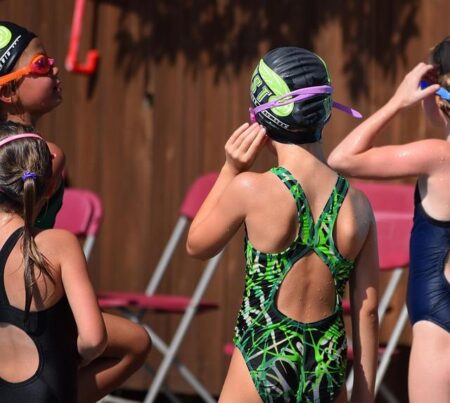

Swimmers of all levels rely on goggles to protect their eyes and enhance visibility in the water. However, improper use or poorly fitted goggles can lead to discomfort, leaks, and impaired performance-issues that many athletes overlook. In this article, we explore the most common goggles mistakes swimmers make and offer practical solutions to ensure a secure, comfortable fit every time they hit the pool.
Choosing the Wrong Fit Can Lead to Leaks and Discomfort
Many swimmers underestimate the impact of wearing goggles that don’t quite align with their face shape and size. An ill-fitting pair can cause constant water leaks, forcing swimmers to stop mid-lap to adjust or clear their goggles. Beyond the annoyance, leaks can disrupt focus, impair vision, and even lead to eye irritation from prolonged exposure to pool chemicals. Discomfort caused by oversized or undersized goggles may also result in pressure marks or headaches, turning a session meant for training or relaxation into an endurance test against poorly chosen gear.
Understanding how to find the perfect fit is essential, and there are simple checks you can perform before purchase:
- Suction Test: Press the goggles gently on your eye socket to see if they create a natural suction without straps. No suction means poor sealing.
- Strap Adjustment: Ensure straps are snug but not overly tight, preventing pressure without compromising seal integrity.
- Seal Shape: Different brands suit different face contours; opting for models with flexible seals can improve comfort and performance.
| Fit Issue | Common Symptoms | Quick Fix |
|---|---|---|
| Too Small | Red marks, pain around eyes | Choose larger lens size or adjustable nose bridge |
| Too Large | Water leaks, goggles slide off | Opt for tighter straps or smaller frame |
| Inflexible Seal | Gaps causing leaks | Try softer silicone seals or different brand |
Understanding Strap Placement to Prevent Slippage During Swims
Properly positioning your goggles’ straps is crucial to keeping them firmly in place during every lap. Many swimmers make the mistake of placing straps too high on the head or allowing them to remain loose, which results in constant adjustments and water leakage. Aim to position the strap in the middle of the back of your head, just above the ears. This placement balances tension and comfort, preventing the goggles from slipping forward while avoiding excessive pressure that can cause discomfort or headaches.
When adjusting the straps, make sure to use even tension on both sides to maintain stability. Utilize the fastening mechanism-whether it’s a buckle or clips-to fine-tune the fit, ensuring the goggles stay snug without digging into your skin. To simplify this process, consider the following quick checklist:
- Check strap height: Middle rear of the head, above ears.
- Adjust tension: Firm but comfortable for a seal.
- Ensure equal tension: Both sides should feel balanced.
- Test before swimming: Verify fit by moving your head vigorously.
| Strap Mistake | Impact | Fix |
|---|---|---|
| Straps too high | Goggles slide down | Lower strap placement |
| Uneven tension | Unequal seal, leaks | Adjust straps evenly |
| Loose straps | ||
| Loose straps | Goggles leak or fall off | Tighten straps for snug fit |
| Common Goggles Issue | Maintenance Tip |
|---|---|
| Fogging | Use anti-fog sprays sparingly and avoid touching inner lenses |
| Leaking | Ensure proper strap tension and replace damaged seals |
| Broken Strap | Replace with manufacturer-approved parts |
The Conclusion
In the fast-evolving world of swimming, mastering the basics remains crucial-especially when it comes to selecting and wearing goggles. Avoiding common mistakes such as improper fit, neglecting maintenance, or choosing the wrong type can significantly enhance both comfort and performance in the water. By understanding these pitfalls and applying simple corrective measures, swimmers of all levels can ensure a clearer vision and a more enjoyable experience. Staying informed and attentive to these everyday details not only safeguards eye health but also helps athletes keep their focus where it matters most-on every stroke and every lap.

A journalism entrepreneur launching a new media platform.
Related Posts