

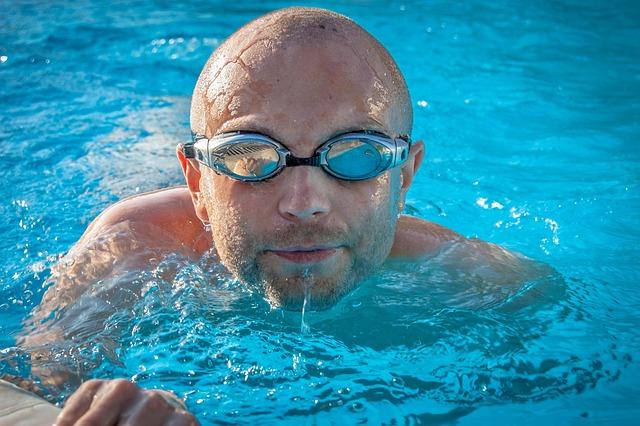
A recent study has revealed that swimming may be more effective than running in strengthening the heart, challenging long-held assumptions about cardiovascular exercise. According to research highlighted by Medical Xpress, participants who engaged in regular swimming showed greater improvements in heart health compared to those who primarily ran. This finding could have significant implications for fitness enthusiasts and healthcare professionals aiming to optimize heart health through physical activity.
Swimming improves cardiovascular health more effectively than running
Recent research highlights that swimming offers superior benefits to cardiovascular endurance compared to running. The study monitored participants over a 12-week period, revealing that those who engaged in regular swimming sessions demonstrated significant improvements in heart rate variability, blood pressure regulation, and oxygen uptake efficiency. These enhancements collectively contribute to a healthier heart and reduced risk of cardiovascular disease. Experts attribute these results to the full-body engagement and low-impact nature of swimming, which allows individuals to maintain elevated heart rates without undue strain on joints or muscles.
Key physiological advantages observed include:
- Enhanced cardiac output: The heart pumps blood more effectively during and after swimming routines.
- Improved arterial compliance: Blood vessels become more flexible, promoting better circulation.
- Reduced resting heart rate: Indicating a more efficient cardiovascular system at baseline.
| Metric | Swimming Group | Running Group |
|---|---|---|
| VO2 Max Increase | 15% | 9% |
| Resting Heart Rate Drop | 10 bpm | 6 bpm |
| Blood Pressure Reduction | 8 mmHg | 5 mmHg |
Researchers explain how water exercises enhance heart muscle strength
Water-based workouts engage the heart in dynamic ways that elevate cardiac performance beyond traditional land exercises. Researchers have shown that swimming, in particular, promotes enhanced ventricular function by combining resistance from water with rhythmic breathing patterns. This dual stimulus effectively conditions the myocardium, leading to improvements in both strength and endurance of the heart muscle. Unlike running, which emphasizes impact and repetitive strain, swimming distributes physical stress evenly, reducing injury risk while intensifying cardiovascular benefits.
The unique properties of aquatic exercise contribute to these findings, as water pressure assists venous return and encourages more efficient blood circulation. Key factors identified by researchers include:
- Hydrostatic pressure: Supports heart workload by enhancing blood flow back to the heart.
- Resistance training: Provides gentle but continuous muscle engagement that strengthens cardiac output.
- Controlled breathing: Stimulates the autonomic nervous system, improving heart rate variability and stamina.
| Exercise Type | Average Heart Muscle Strength Increase | Impact on Joints |
|---|---|---|
| Swimming | 15% | Low |
| Running | 8% | High |
| Cycling | 10% | Moderate |
Experts recommend incorporating swimming into weekly fitness routines for heart health
Cardiovascular experts consistently highlight swimming as a superior low-impact exercise that promotes heart strength and overall cardiovascular health. Unlike many high-impact activities, swimming engages multiple muscle groups simultaneously, enhancing endurance while minimizing joint stress. Studies reveal that regular swimming sessions of 30 to 45 minutes, performed three to four times weekly, can significantly reduce risks associated with heart disease, including high blood pressure and arterial stiffness.
Health professionals encourage incorporating swimming into fitness routines due to its unique benefits:
- Improves lung capacity and oxygenation
- Boosts circulation and lowers resting heart rate
- Balances blood pressure more effectively than some land-based exercises
- Supports weight management without overexertion
| Exercise | Impact Level | Cardiac Benefit Score* |
|---|---|---|
| Swimming | Low | 9.2 |
| Running | High | 7.5 |
| Cycling | Moderate | 8.0 |
*Cardiac Benefit Score based on recent clinical research (1-10 scale)
To Wrap It Up
As cardiovascular health continues to be a top priority worldwide, this latest study adds compelling evidence to the benefits of swimming over running for heart strengthening. While both forms of exercise offer significant health advantages, swimming’s low-impact, full-body workout may provide a superior boost to cardiac function. Further research will help clarify how these findings can influence exercise recommendations, but for now, swimmers can take heart in knowing their preferred workout is making waves for heart health.