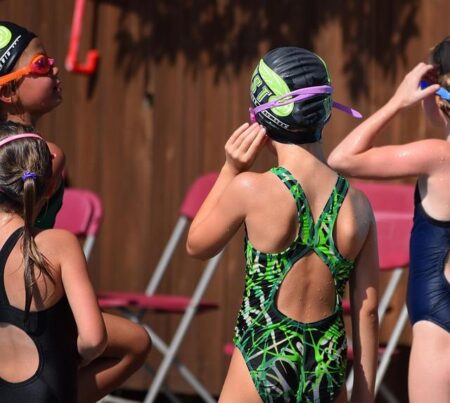


As awareness of Attention Deficit Hyperactivity Disorder (ADHD) continues to grow, the sports community is seeking effective ways to support athletes managing this condition. Swimming, a sport known for its structure and rhythm, presents unique opportunities and challenges for swimmers with ADHD. Coaches play a pivotal role in unlocking the potential of these athletes by tailoring their training methods to accommodate attention difficulties and hyperactivity. This article explores practical strategies and expert insights on how to coach swimmers with ADHD, helping them thrive both in and out of the pool.
Understanding the Unique Challenges of Coaching Swimmers with ADHD
Coaching swimmers with ADHD presents a set of distinctive challenges that require patience, understanding, and tailored strategies. Unlike their peers, these athletes often experience difficulty staying focused during long or repetitive drills, struggle with impulsivity, and may find it harder to follow complex instructions consistently. The typical group coaching environment, filled with multiple stimuli, can easily overwhelm them, impacting both their performance and enjoyment of the sport. Recognizing these realities is key for coaches aiming to foster a positive experience and improve competitive outcomes.
To effectively support swimmers with ADHD, coaches should adapt their approach by implementing clear, concise communication and incorporating frequent breaks. Structuring practices to include:
- Short, varied drills to maintain engagement
- Visual aids or demonstrations to reinforce instructions
- Positive reinforcement to boost confidence and motivation
- Consistent routine, minimizing unexpected changes
can make a significant difference. Understanding that each swimmer’s needs differ is vital, as is collaborating with parents and healthcare professionals when possible to provide the most comprehensive support.
| Challenge | Effective Coaching Strategy |
|---|---|
| Distractibility | Use clear, simple cues with visual aids |
| Impulsivity | Implement short, structured activities with frequent breaks |
| Difficulty Following Instructions | Repeat instructions and demonstrate drills visually |
| Low Frustration Tolerance | Provide positive encouragement and celebrate small progress |
Tailoring Training Techniques to Boost Focus and Performance
Maximizing the potential of swimmers with ADHD requires an adaptive approach that caters to their unique neurological makeup. Coaches are encouraged to incorporate short, focused drills that maintain engagement without overwhelming the athlete. Breaking down complex swim techniques into bite-sized steps allows for better comprehension and preserves concentration throughout practice sessions. Additionally, utilizing visual aids and clear, concise instructions supports information retention and reduces distraction, while frequent pauses for feedback keep communication dynamic and interactive.
Structuring training sessions with predictable routines also establishes a comforting framework, which can significantly enhance an athlete’s performance consistency. The following table outlines effective training components tailored for ADHD swimmers, emphasizing key elements that drive focus and skill acquisition:
| Training Element | Purpose | Coach’s Tip |
|---|---|---|
| Segmented Drills | Maintain attention span | Use timers to create urgency |
| Visual Cue Cards | Enhance memory | Incorporate colors & symbols |
| Consistent Schedule | Build routine and stability | Start sessions with warm-up rituals |
| Immediate Feedback | Reinforce positive behavior | Keep corrections precise and encouraging |
- Limit distractions: Choose quiet lanes or use noise-cancelling headphones near the pool.
- Incorporate movement breaks: Brief physical activity between drills can refocus restless energy.
- Set clear, attainable goals: Celebrate every milestone to boost motivation.
Creating Supportive Environments That Enhance Learning and Motivation
Establishing a nurturing and structured atmosphere is crucial when coaching athletes with ADHD. This means crafting a space where distractions are minimized and consistency reigns. Coaches should prioritize clear, concise instructions paired with visual cues to keep swimmers engaged and focused. Breaking sessions into manageable segments with varied activities can also sustain motivation and prevent cognitive overload. Furthermore, recognizing small victories encourages positive reinforcement, empowering athletes to build confidence through achievable goals.
- Use consistent routines to foster predictability.
- Implement visual schedules to guide practice flow.
- Incorporate frequent breaks for mental reset.
- Encourage peer support to boost social motivation.
A well-balanced environment also combines physical comfort with psychological safety. Soft lighting, controlled noise levels, and accessible equipment can reduce sensory overload known to challenge athletes with ADHD. Open communication channels where swimmers feel heard and respected contribute to a trusting coach-athlete relationship. By emphasizing structure alongside flexibility, coaches not only optimize performance but also nurture resilience and enjoyment in the sport.
| Environment Aspect | Benefit for ADHD Swimmers |
|---|---|
| Consistent Routine | Reduces anxiety and enhances focus |
| Visual Aids | Clarifies expectations and instructions |
| Sensory Management | Minimizes distractions and discomfort |
| Positive Reinforcement | Builds confidence and motivation |
| Peer Support | Enhances social engagement and encouragement |
Final Thoughts
In conclusion, coaching athletes with ADHD requires a nuanced approach that balances structure with flexibility, and encouragement with clear communication. As awareness of ADHD grows within the sporting community, swimming coaches have an important opportunity to adapt their methods to better support these athletes’ unique needs. By fostering an environment that emphasizes consistency, focus, and positive reinforcement, coaches can help swimmers with ADHD not only improve their skills but also build confidence and enjoy the sport. Ultimately, understanding and patience remain key to unlocking the full potential of athletes navigating ADHD in the pool.