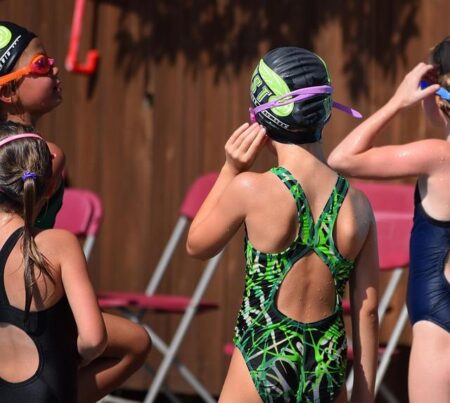


In communities across the globe, swimming is emerging not just as a popular recreational activity but as a powerful tool for child development. Beyond its well-known physical benefits, swimming is increasingly recognized for nurturing quiet confidence in children-a self-assuredness that grows beneath the surface and shapes their approach to life’s challenges. As parents and educators seek holistic ways to support young minds and bodies, understanding how swimming contributes to building this inner strength offers valuable insights into promoting healthier, more resilient generations.
The Role of Swimming in Developing Emotional Resilience and Self-Esteem
Immersed in the rhythmic motion of swimming, children encounter challenges that demand patience, persistence, and self-discipline. These moments become vital stepping stones in nurturing emotional resilience. As young swimmers master new strokes or learn to regulate their breathing, they simultaneously develop the ability to cope with setbacks and adapt to unfamiliar situations. The water becomes a gentle yet powerful metaphor for life’s unpredictable currents, teaching kids to navigate stresses with calm determination. Parents and educators alike observe that this aquatic engagement fosters a deeper sense of inner strength, helping children rise after every fall, buoyed by their own growing confidence.
More than just a physical activity, swimming cultivates:
- Self-awareness: understanding limitations and celebrating incremental progress.
- Social skills: learning empathy and cooperation during group lessons and swim teams.
- Positive risk-taking: encouraging kids to step out of comfort zones safely.
| Emotional Benefit | How Swimming Contributes |
|---|---|
| Confidence | Success in mastering skills builds quiet assurance |
| Stress Management | Focus on breathing fosters calmness in adversity |
| Perseverance | Repeated practice encourages determination |
How Regular Swim Lessons Foster Social Skills and a Sense of Belonging
Participating in swim lessons regularly offers children more than just physical benefits; it creates a vibrant environment for cultivating essential social skills. As young swimmers interact with peers and instructors, they naturally develop communication skills and learn to navigate group dynamics. These lessons encourage cooperation through shared activities like team relays and partner drills, allowing children to practice listening, turn-taking, and encouragement in a supportive setting. The structured yet fun atmosphere helps build friendships and establishes trust, providing a foundation for children to feel safe and connected.
Moreover, the sense of belonging fostered within swim classes can have lasting emotional impacts. Being part of a consistent group with shared goals promotes self-esteem and reduces feelings of isolation. This feeling is amplified by recognizing milestones-whether it’s completing a lap or mastering a skill-which unify the class experience. The table below highlights key social benefits observed in children engaged in regular swim lessons:
| Social Skill | Benefit | Typical Activity |
|---|---|---|
| Collaboration | Improved teamwork | Group relay races |
| Communication | Clearer expression of needs | Following instructor cues |
| Empathy | Mutual support | Encouraging peers |
| Confidence | Stronger self-esteem | Achieving personal goals |
Expert Tips for Parents to Encourage Children’s Confidence Through Aquatic Activities
Encouraging children to embrace water activities can significantly bolster their self-esteem and resilience. Parents should focus on creating a supportive environment where effort is praised over perfection. Celebrate small victories, such as mastering a new stroke or simply feeling comfortable in the water, to nurture a sense of achievement. Consistent encouragement paired with patient guidance helps children build trust in their abilities, transforming swimming into a confidence-building exercise rather than a challenge to fear.
Integrating playful routines and structured lessons strikes a balance that keeps young swimmers engaged and motivated. Parents can enhance this experience by incorporating these expert tips:
- Set achievable goals together and track progress visibly, like with a swim chart or sticker rewards.
- Practice breathing and floating exercises at home to reinforce skills learned during swimming sessions.
- Create role-model moments-relate stories of swimmers who overcame doubts and succeeded.
- Encourage social interaction by joining group swim classes, promoting teamwork and peer support.
In Retrospect
In a world where children face increasing pressures both inside and outside the classroom, swimming emerges not only as a vital life skill but also as a powerful tool for building quiet confidence. Beyond the physical benefits, the discipline, focus, and self-assurance gained in the pool ripple outward, supporting a child’s overall development. As communities and parents seek holistic ways to nurture resilience and well-being, swimming stands out as a practical and impactful option. Ultimately, encouraging every child to dive into the water may be one of the simplest yet most effective investments in their future confidence and success.